

Colonial Style Homes - A Timeless American Architectural Tradition

Charles Hilton Architects – Classic Wood Georgian Colonial
Colonial architecture, with its graceful symmetry and stately elegance, is a style of architecture that has stood the test of time. Rooted in the early European settlements of America, this architectural style blends traditional elements with practical designs that addressed the needs of the early colonists. With its prominent use of brick, wood, and stone, the colonial home is distinguished by its typically steep roofs, symmetrical facades, and bold, sometimes elaborate entrances. The timeless appeal of colonial architecture lies in its balance of formality and comfort, making it a style that feels simultaneously dignified, welcoming, and comfortable.
The aesthetic beauty of colonial homes can also be attributed to their many thoughtful details such as, wide inviting porches, classical cornices and trim, beautifully detailed entryways, folding shutters, and nicely proportioned double-hung windows. These houses reflect a sense of tradition, rooted in early American history, yet are flexible enough to incorporate modern enhancements while maintaining their old-world charm.
For over 35 years, our team at Charles Hilton Architects has been at the forefront of designing and renovating colonial-style homes, blending historic preservation with contemporary style. Our deep understanding of the nuances that define colonial architecture - whether reworking a floor plan to accommodate a modern lifestyle or choosing the perfect suite of classical moldings to embellish the elevations, makes Hilton a highly trusted name in this specialized field. Our colonial projects remain true to the original spirit while infusing this American vernacular with design features and amenities critical for today’s lifestyle needs.
In this blog, we will dive into the distinct characteristics of colonial architecture and explore how to design this timeless style for 21st century living.
- Table of Contents -
 Key Exterior Features of Colonial Style Homes
- Typical Interior Features of a Colonial Home
- The Architectural History of Colonial Homes in America
- Key Differences between Traditional vs. Modern Colonial House Design
- Other Key Features of Modern Colonial Homes
- Compelling Reasons to Choose a Colonial Style for Your Home
- Customization Options for Your Colonial Home Renovation or Build
- Why Choose Charles Hilton Architects for Your Colonial Home Design or Renovation?
- Key Exterior Features of Colonial Style Homes -
The exterior of colonial style homes emphasizes clean lines, classic proportions, and a sense of order that evokes both grandeur and simplicity and a sense of timeless beauty that remains relevant and admired in many areas of our country today. Key exterior features include:

This Charles Hilton Architects’ New Georgian Revival home exhibits the classic features of colonial style homes including: a symmetrical composition, classical proportions and scale, steeply pitched roofs, use of traditional wood and brick cladding, use of classical moldings and columns, symmetrical windows, and large chimney masses.
1. Symmetry: One of the most defining characteristics of colonial homes is their attempt at symmetry. Whether exactly symmetrical or not, front facades especially strive for balance, often with an even number of windows on either side of a central entrance. This orderly, harmonious design reflects a sense of formality and elegance.

This colonial home, designed by the author, exemplifies five-part symmetry, which is common to the style.
2. Classical Proportions and Scale: Classical proportions and design with a humanistic scale play crucial roles in colonial house design, addressing aesthetic beauty and comfort. Classical proportions involve using geometric ratios and symmetry inspired by ancient architecture to create visually appealing structures with harmonious facades and appropriately proportioned wall and roof heights, cornices, doors, and windows. Humanistic scale means that the facades are comfortable and accessible, with elements like exterior trim, porches, staircases, and doorways that are proportionate to the human occupants. Together, these design principles create colonial homes that are both strikingly beautiful and highly functional.

An example of Georgian/colonial style home that uses the golden rectangle to proportion the primary façade.

Another example of a Georgian colonial façade composed using the golden rectangle.
3. Steeply Pitched Roofs: Colonial homes often feature steeply pitched, often gabled (but sometimes hipped) roofs, which are both functional and aesthetically pleasing. These steep roofs help facilitate water drainage while adding to the home’s stately appearance and providing valuable usable attic space.


Two Greenwich, Connecticut homes with saltbox forms with steeply pitched roofs.
4. Wood, Brick or Stone Siding: The exterior of colonial homes is commonly made of wood, brick, stone, or some combination of these materials which have deep historical roots. Brick is often used in Georgian or Southern Colonial styles and some northern city residences, while wood siding and stone is more typical of early colonial homes in the Northeast and the countryside. The use of these natural materials helps tie the home to its geographic location and natural setting, and when well detailed, produce an attractive grounded feeling.
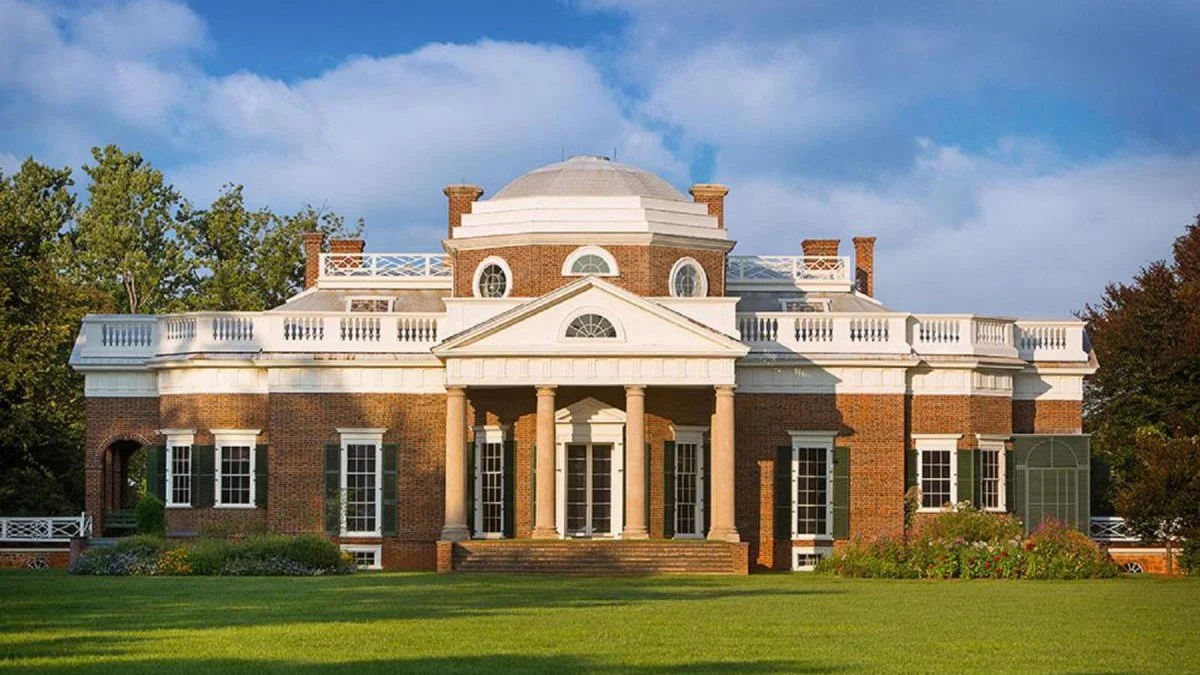
Brick colonial façade example – Monticello (Virginia home of Thomas Jefferson)

Wood colonial façade example – Architect Allan Greenberg – Holly Hill
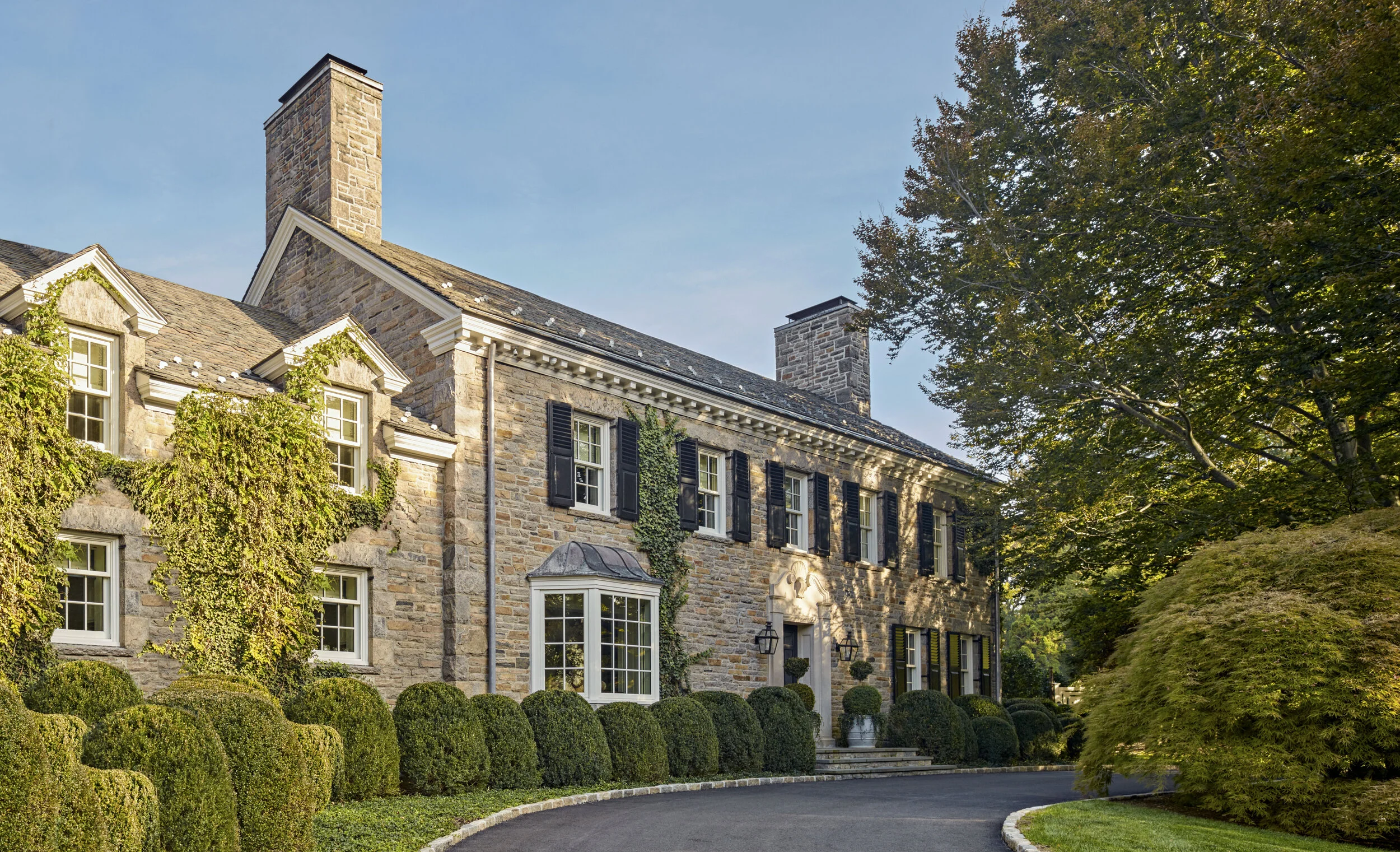
Example of a renovation to a stone colonial façade – Charles Hilton Architects
5. Classical Columns and Porch: Many colonial homes feature a front porch or portico with columns or pilasters, adding a refined, classical touch to the exterior. The columns are often simple but elegant, reflecting the architectural influences of ancient Greece and Rome.
6. Symmetrical Windows: Colonial-style homes most typically have double-hung windows, complemented occasionally by simple casement, awning, or fixed sash windows, and feature windows such as quarter or half round units, round tops, or Palladian windows. They typically had multiple panes originally divided by lead but most commonly by wooden ‘muntins.’ These windows are typically symmetrical and balanced on either side of the central door and other facades. Historically, colonial homes had operable shutters that originally functioned for weather protection and ventilation, but today these are mostly used as decorative elements.
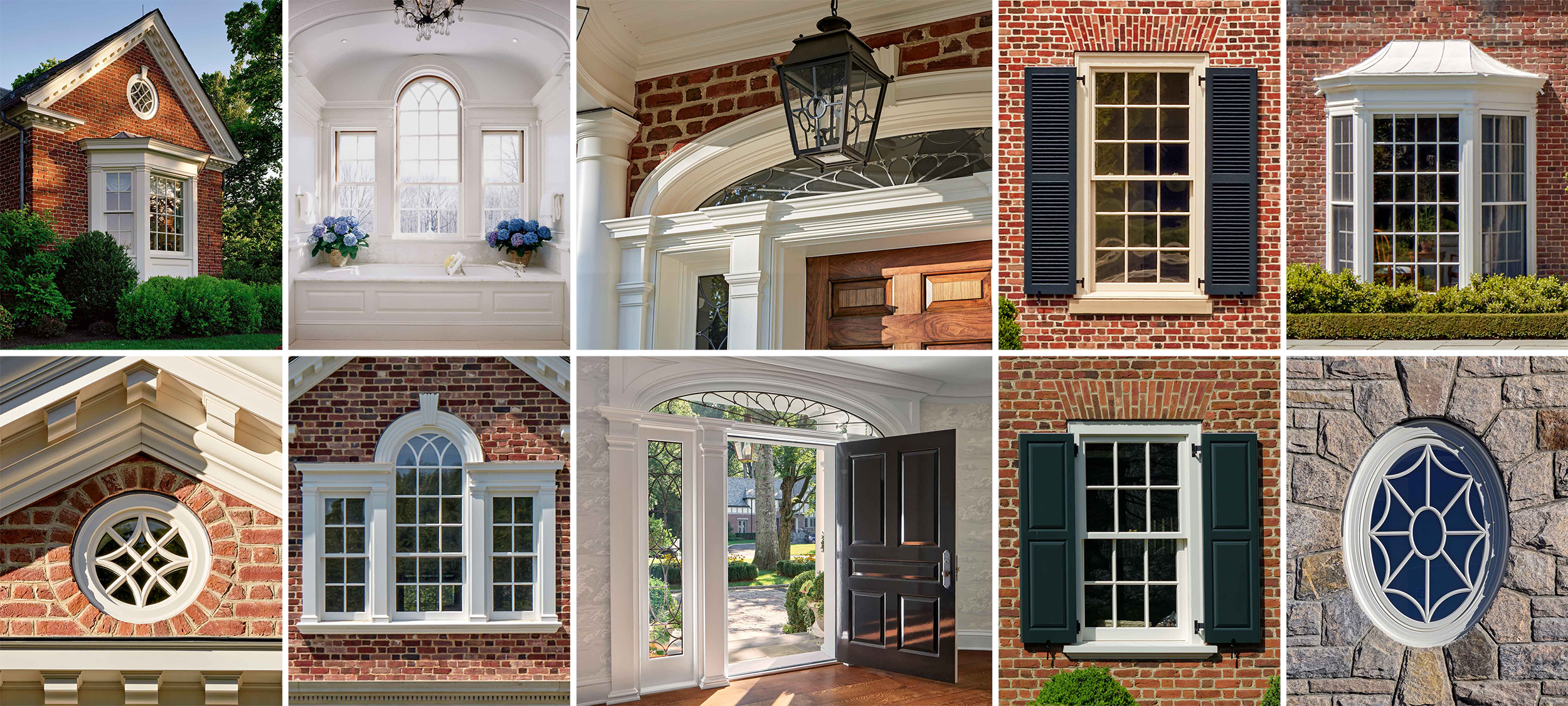
A collection of typical colonial style windows including: Double hungs, bay windows with fixed units, a Palladian window, a round window, a fanlight, and an oval window.
7. Central Entry Door: The entryway of a colonial home is often a focal point of the front facade, with a prominent, centrally placed door, and sometimes with a transom window above and/or symmetrical sidelights. This doorway is often adorned with classic decorative moldings.
8. Chimneys: A hallmark of colonial homes, fireplaces and chimneys were essential for heating and cooking in early homes. Large, brick or stone fireplaces remain an iconic feature in many Colonial-style homes today. In northern climates these were often centrally located to preserve warmth, where in southern climates these were often located on the exterior perimeter to shed the heat.
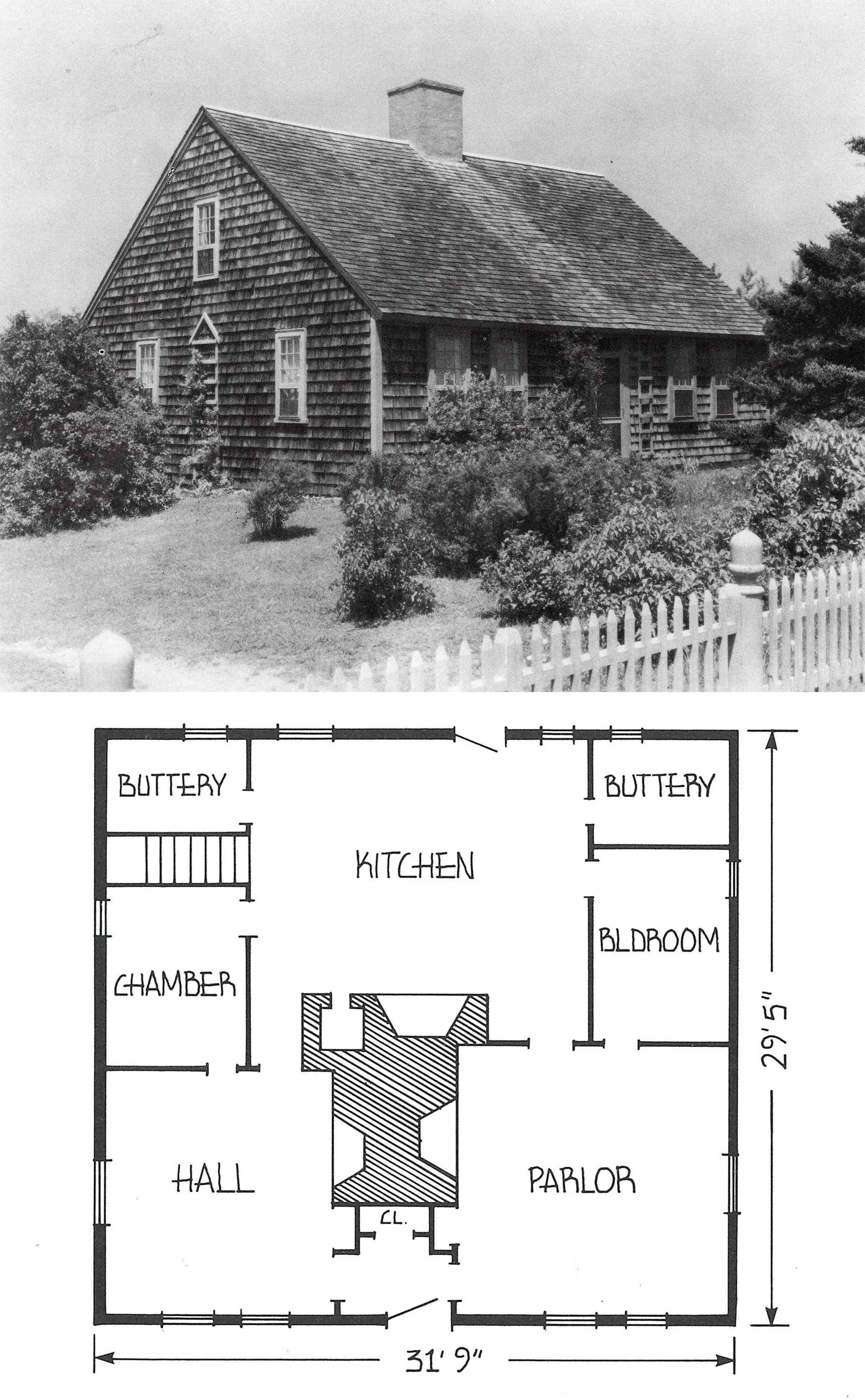

The cape cod colonial home on the left is located in Massachusetts and features large central fireplaces and chimney. The Adam Thoroughgood house on the right is located in Virginia and is a good example of a southern home with perimeter chimneys.
- Typical Interior Features of a Colonial Home -
Likewise, the interior of a colonial home reflects its classic, formal exterior while also providing a sense of warmth and practicality. Colonial interiors often combine symmetry in plan and details, with simple yet elegant features, resulting in a sophisticated, balanced living space. Some of the most typical interior features found in Colonial-style homes are:

This Charles Hilton Architects’ floor plan features a formal layout and symmetrical composition, a formal dining and living room, and a traditional central entry hall and staircase.
1. Formal Layout and Symmetry: Colonial homes typically feature a formal, symmetrical layout with rooms arranged in a way that creates balance and order. The floor plan often consists of distinct, rectangular rooms, with central hallways often separating or joining formal and informal rooms on the first floor and defining a hierarchy of bedrooms on the second floor. The overall arrangement is designed to be efficient, to balance public and private living spaces and to enhance a sense of harmony.
2. Formal Dining Rooms and Living Rooms: Colonial homes often have dedicated formal dining rooms and living rooms. These spaces are typically designed for hosting guests and family gatherings. The furniture is often traditional and stately, featuring wooden pieces, antique-inspired designs, and upholstered chairs with rich fabrics. The walls are frequently adorned with artwork or family portraits in keeping with the home’s classic, refined atmosphere.
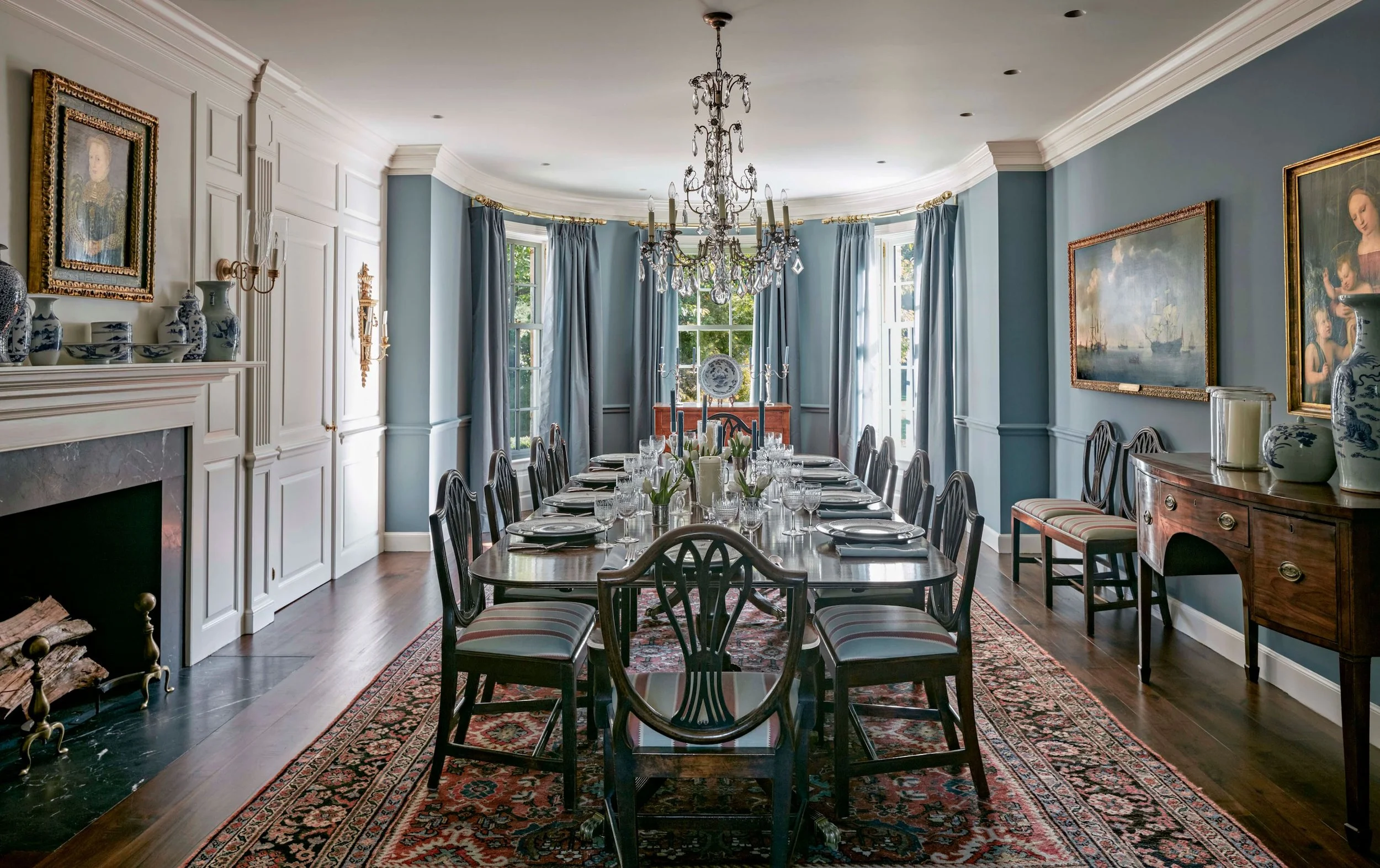

The formal dining room (left) and living room (right) in this Stone Country Residence.
3. Traditional Staircases and Entry Hall: The primary staircase in a colonial home is often located in a central entryway or main hallway. The staircase typically has wooden steps, with balusters and a handrail made from finely crafted wood. In more elaborate colonial homes, the staircase might feature highly decorative balusters, intricate carvings, or sculpturally profiled railings, serving as both functional elements and a visual feature of the home.


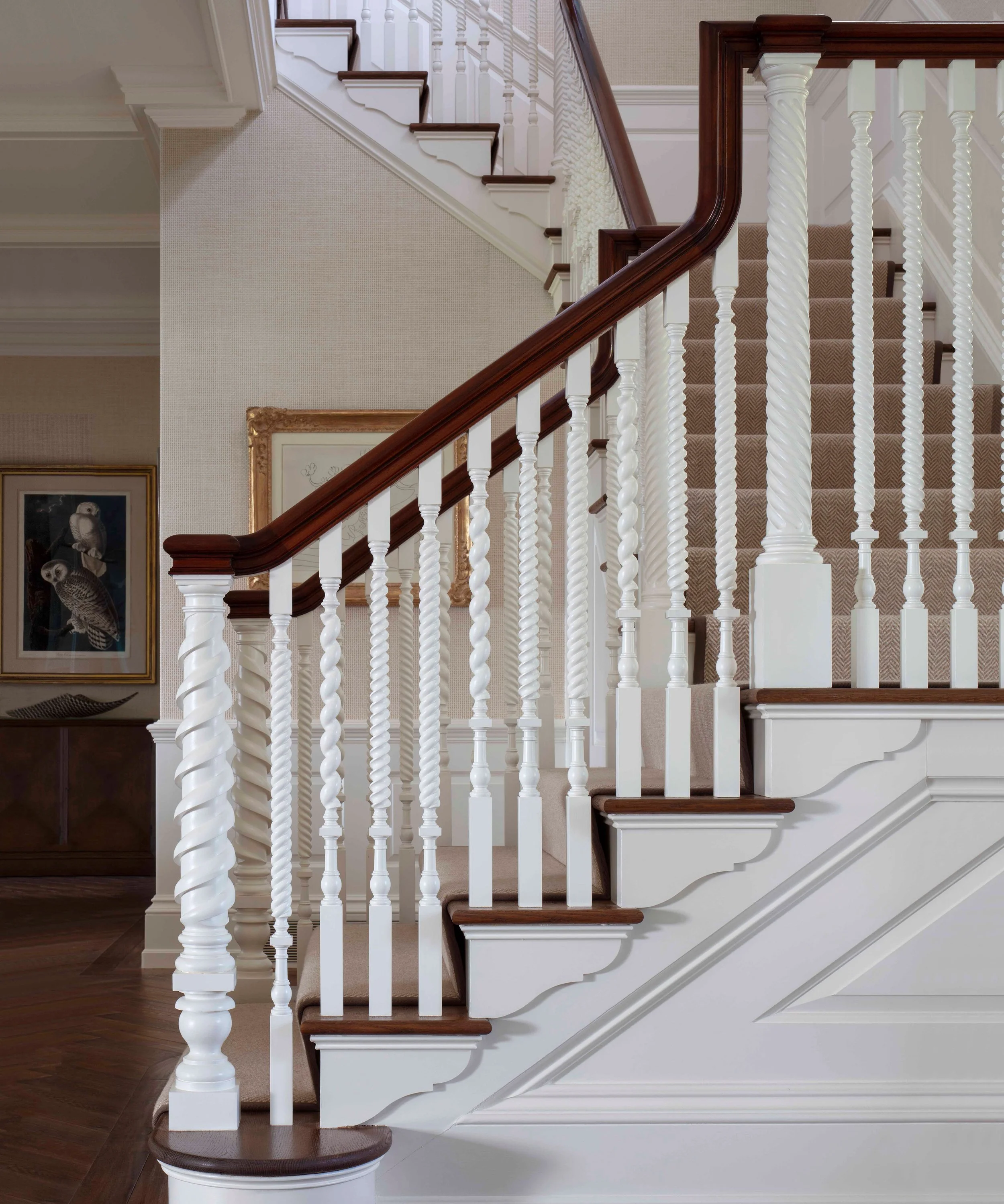
Three Charles Hilton Architects staircases: (left) This curved staircase features simple tapered balusters, which pair well with the complex decorative wallpaper. | (middle) More decorative balusters wrap this three-story staircase with newel posts in the corners. | (right) This staircase features highly decorative custom balusters and newel posts. The handrail is capped with a walnut handrail.
4. Fireplaces: The fireplace is a central feature in many Colonial-style homes, often serving as the focal point of major rooms. Large, brick or stone fireplaces often with simple wooden mantels are typical. In more formal colonial homes, fireplaces might have elaborate wood, natural or carved stone, or brick surrounds.
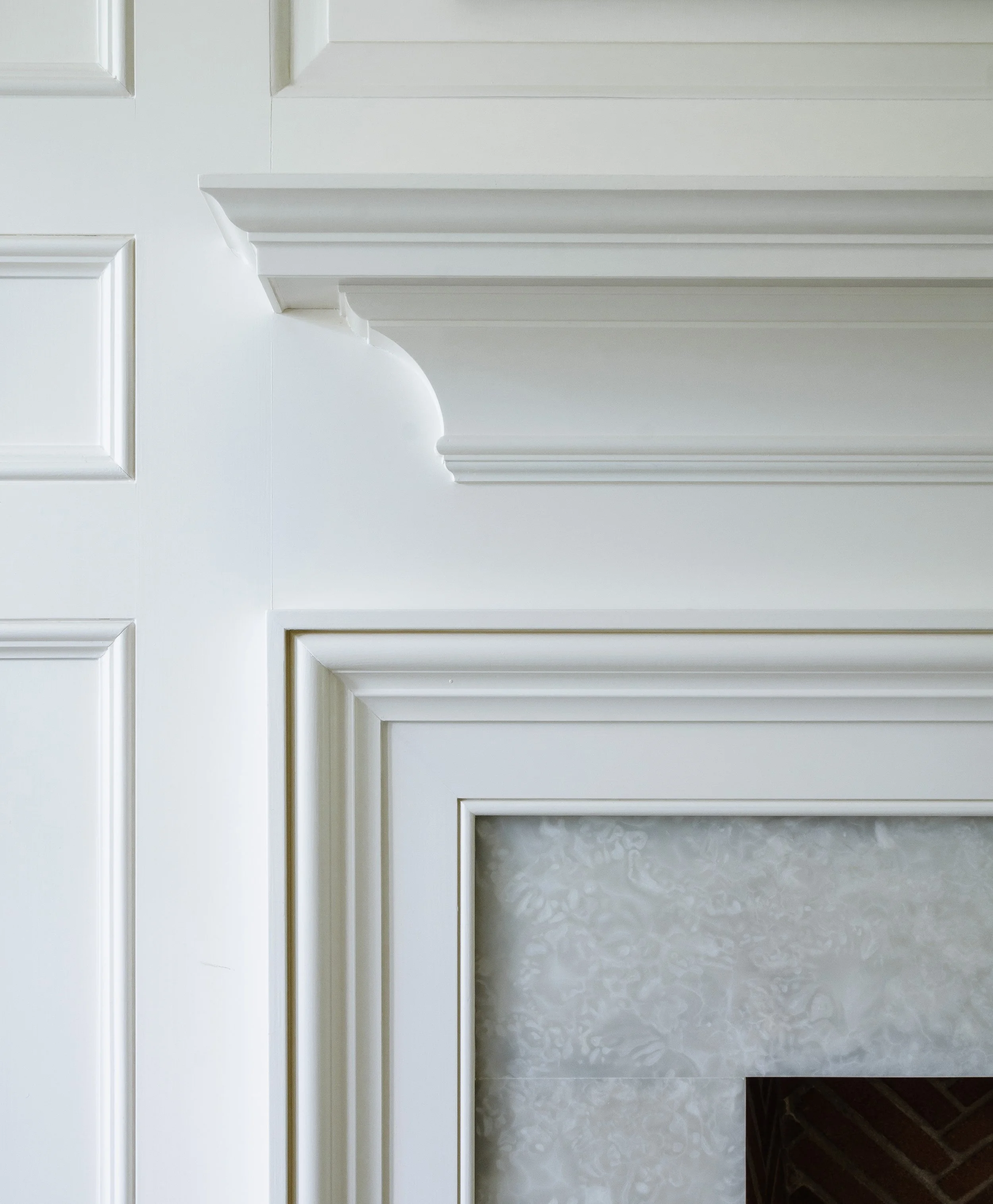


These three mantels illustrate a range from simple to more ornate motifs common in colonial homes. The two images from the left feature wood mantels, while the one on the right is made from stone.
5. Interior Moldings – Crowns, Casings, Chair rails, and Baseboards: Colonial homes often feature beautifully detailed wood or plaster crown moldings, door and window casings, window stools and aprons, chair rails and wide baseboards, which originally served to cover movement in joints in the surfaces and materials around the rooms, but quickly evolved to serve as a proportioning element and to add sophistication to colonial home interiors.

This waterfront breakfast room effectively uses crowns, bases, casings, and raised paneling to turn the room into a beautifully detailed space.
6. Hardwood Floors: A hallmark of colonial interiors, hardwood floors created from species such as red or white oak, maple, pine, and fir were common historically throughout colonial homes depending on the region and availability. Today oak is most commonly used because of its durability and relative affordability, but species such as walnut, cherry and more exotic species can be found in higher end homes. Floors are often laid in a simple, straight pattern in a variety of widths and finishes. In more elaborate homes floor patterns might include herringbone, chevron, parquet, and other intricate designs.

A grid of various hardwood floor patterns found in colonial homes.
7. Interior Millwork: Many colonial homes feature wood paneling or wainscoting, particularly in formal rooms and high-traffic areas. Originally a readily available, affordable, and durable finish, wood paneling adds texture and warmth to the walls while maintaining the traditional aesthetic. Likewise built-in bookcases or shelving units are often found, particularly in living rooms, studies, or libraries. These features add both functional storage and an element of craftsmanship to the interior, helping to reinforce the home’s refined and formal character.
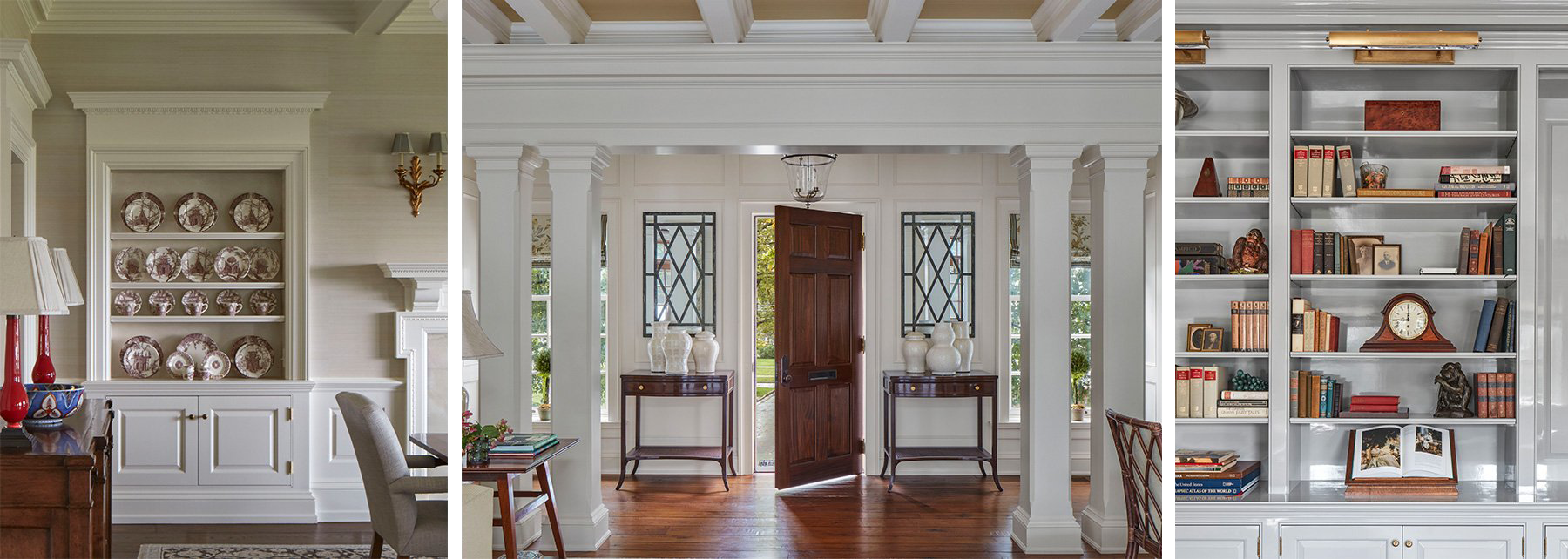
Three examples of colonial style homes with extensive millwork and trim.
8. Chandeliers and Classic Lighting Fixtures: Lighting in Colonial-style homes often includes elegant chandeliers, traditional pendant lighting and sconces supplemented by table and floor lights. These fixtures might feature brass, wrought iron, or crystal to reflect the home’s refined character. Historical candle-style decorative lighting is still common, enhancing the colonial aesthetic with a warm, inviting glow.
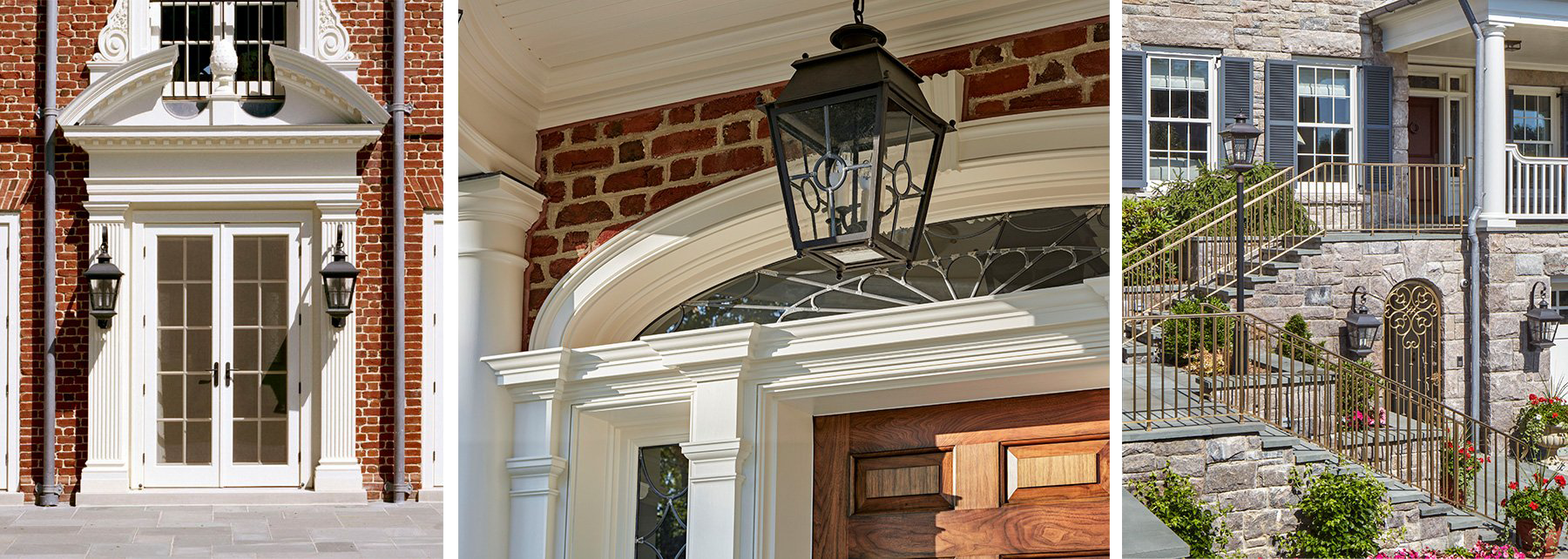
Three exterior photos highlight the use of sconces (left and right), a pendant fixture (middle), and a lamp post (right).
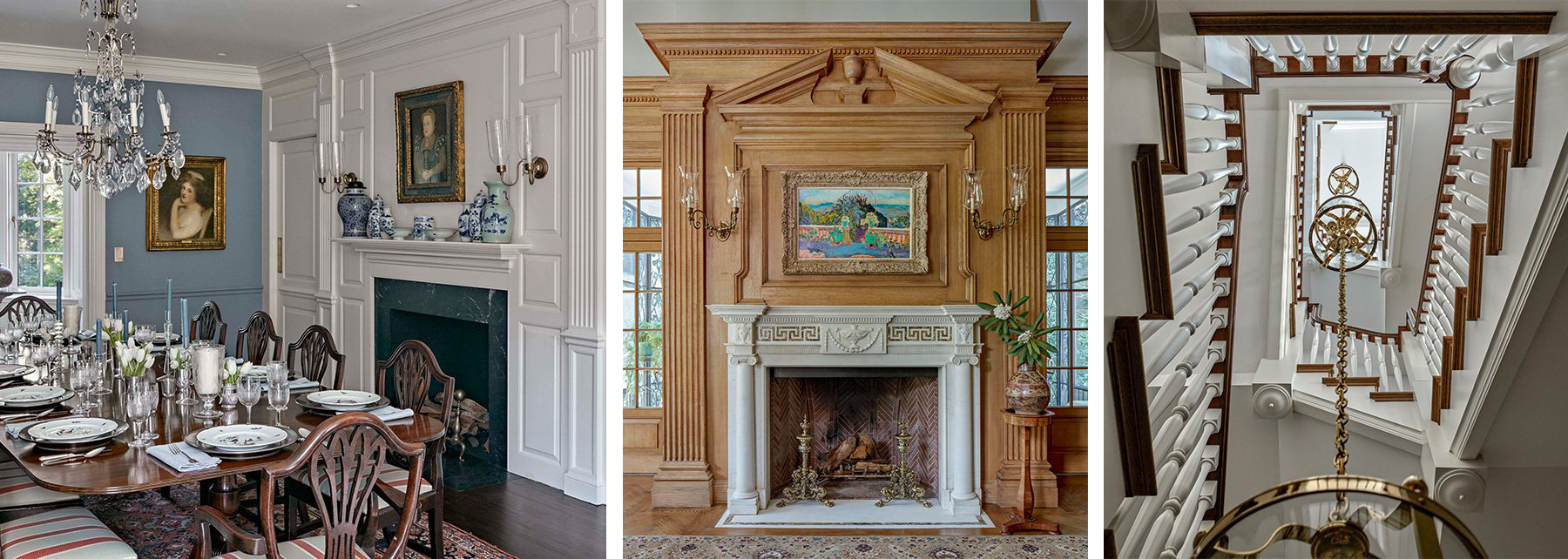
Three interior photos highlight the use of sconces (left and middle), a chandelier fixture (left), and a tiered-ceiling mounted fixture (right).
- The Architectural History of Colonial Homes in America -
Colonial-style homes in America reflect a rich blend of European influences, adapting to local environments and the practical needs of early settlers. Beginning in the early 1600s, settlers constructed simple, functional homes using local materials. These early structures were typically one or two rooms, built by non-professional occupants, with steeply pitched roofs and central fireplaces designed to withstand harsh weather.
As the colonies grew, so did the architectural styles, incorporating European elements such as symmetry, gabled roofs, and decorative details. By the 1700s, skilled craftsmen brought more refinement to the designs, and distinct regional variations emerged. For instance, New England’s saltbox houses, were designed to shed heavy snow and buffer winds, and Charleston’s stately single houses, with extensive side porches were suited to the warmer humid Southern climate and became common there.

An example of a 1700s saltbox style home, renovated by Charles Hilton Architects.

An example of a Charleston single house.
In the late 1700s, the Federal style emerged, marked by clean lines, classical proportions, and elegant details that symbolized the nation’s growing prosperity. This period saw the rise of wood and brick facades, large sash windows, and ornamental doorways. By the late 1800s, the Colonial Revival movement emerged, inspired by the nation’s centennial celebrations and a renewed interest in American history. This style combined traditional elements with modern construction techniques, resulting in homes with expansive porches, more expansive facades, and intricate millwork.
As suburban development boomed in the early 20th century, Colonial Revival continued to evolve. Architects blended different colonial styles into eclectic designs that balanced historical charm with the needs of contemporary life. These homes were larger, often featuring open floor plans, and maintained the essence of traditional colonial architecture.
Colonial homes vary by region, with notable styles including:
Early Colonial New England (1600s - 1700s): Simple, timber-framed homes like Salt Boxes and the Cape Cod style, with steep roofs to protect against harsh weather.
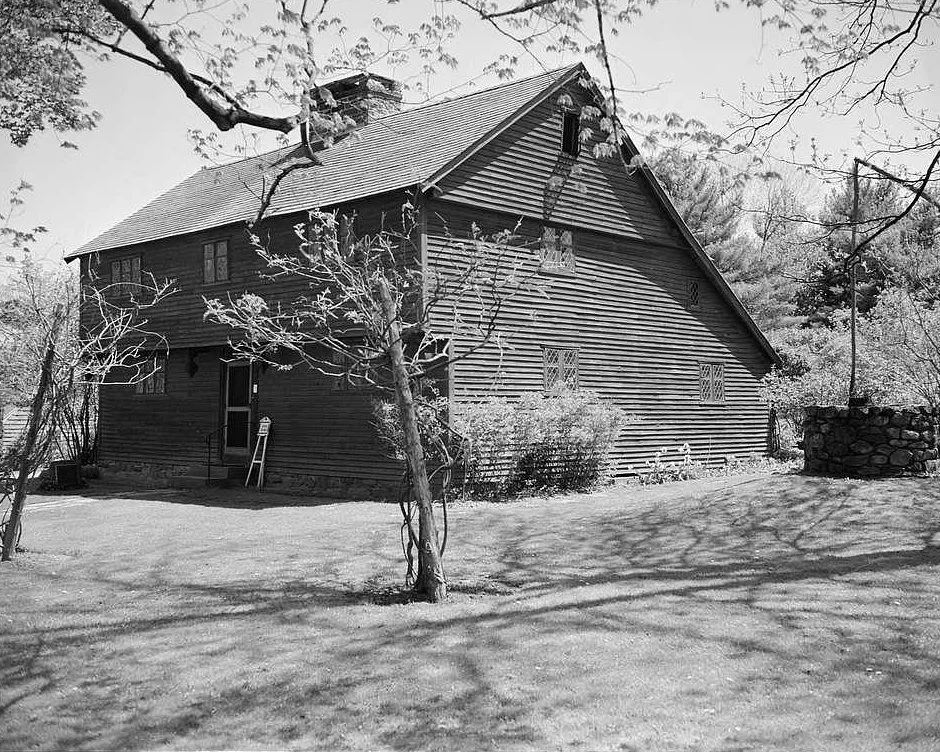

New England Saltbox example - Stanley Whitman House, Farmington, CT
Georgian Colonial (1714 - 1830s): Symmetrical, wood, brick, and stone homes with classical proportions, popular in New England, the Mid-Atlantic, and the South.
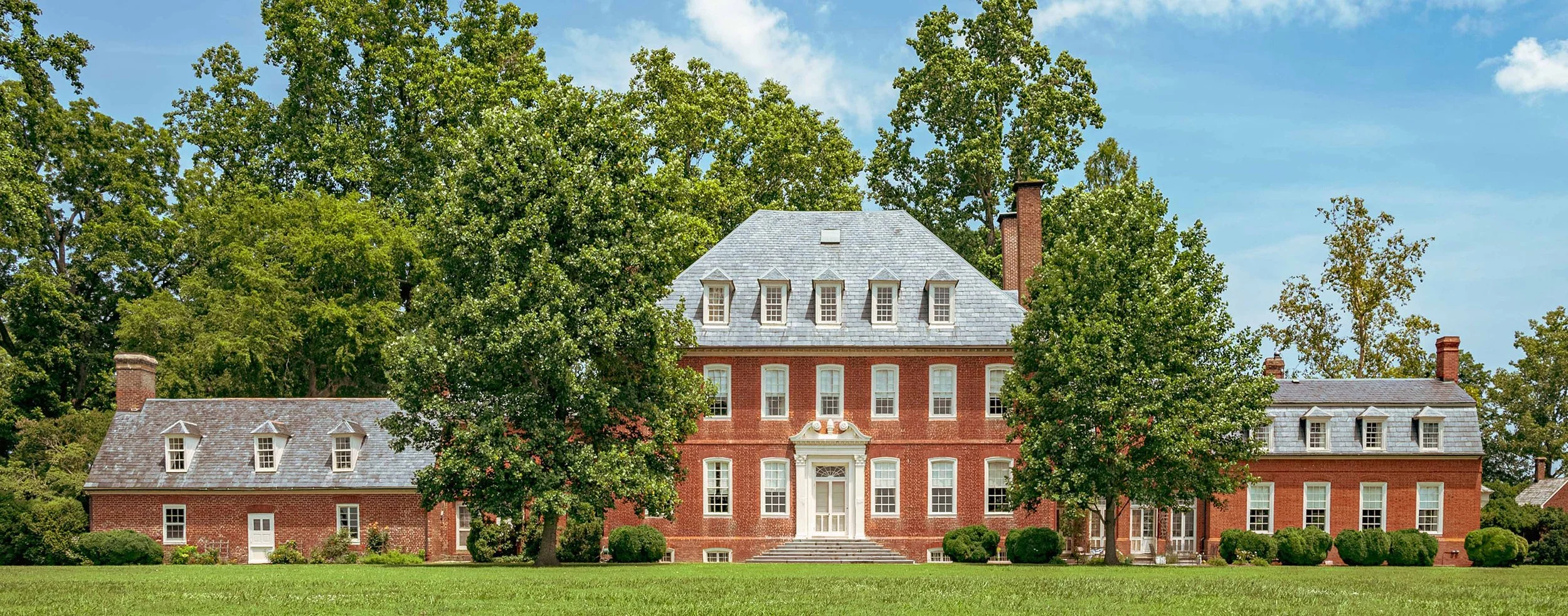
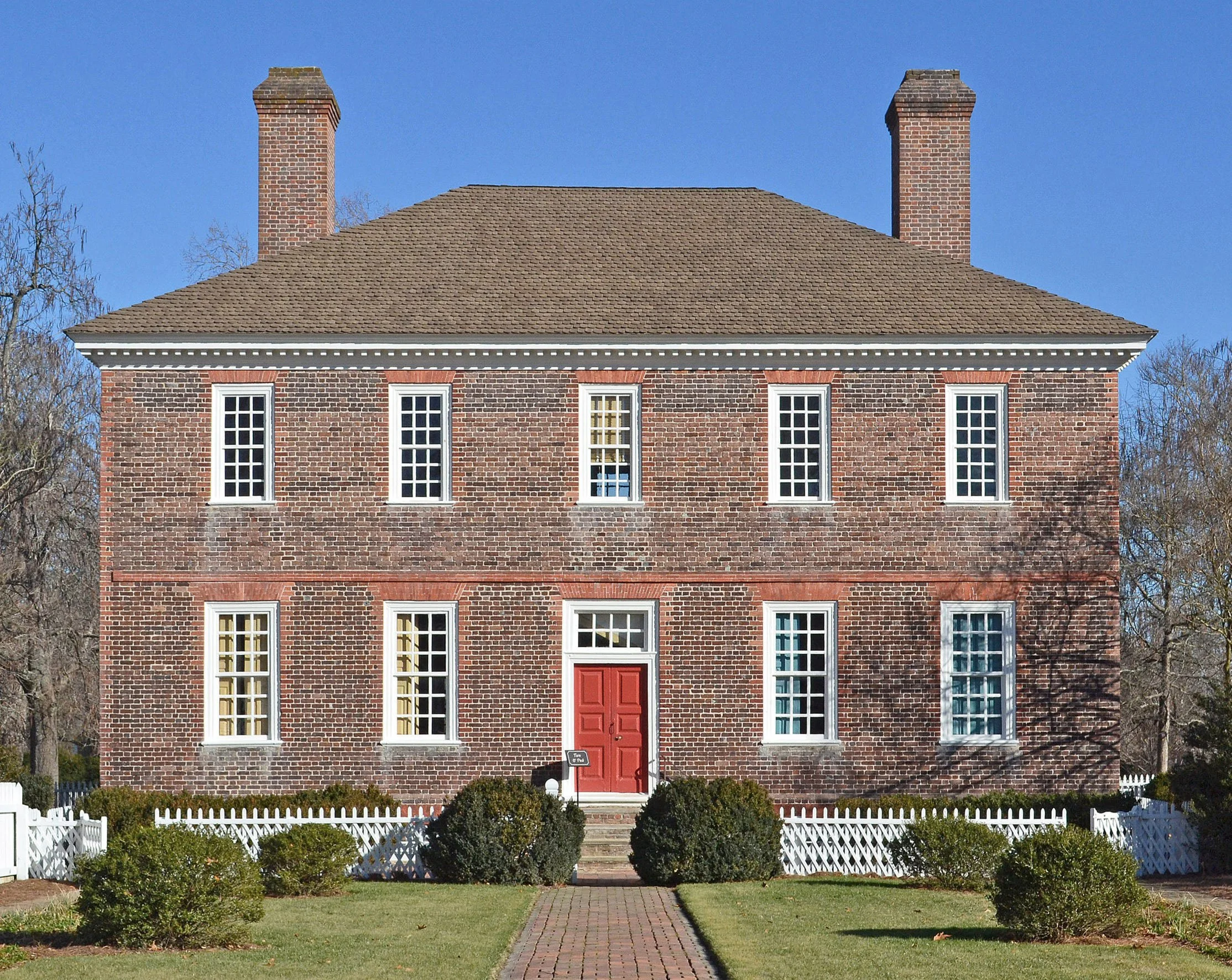
Georgian Colonial examples - Westover Plantation, Charles City, VA (left) | George Wythe House, Williamsburg, VA (right)
Dutch Colonial (1600s - 1800s): Recognizable by gambrel roofs, common in the Mid-Atlantic.
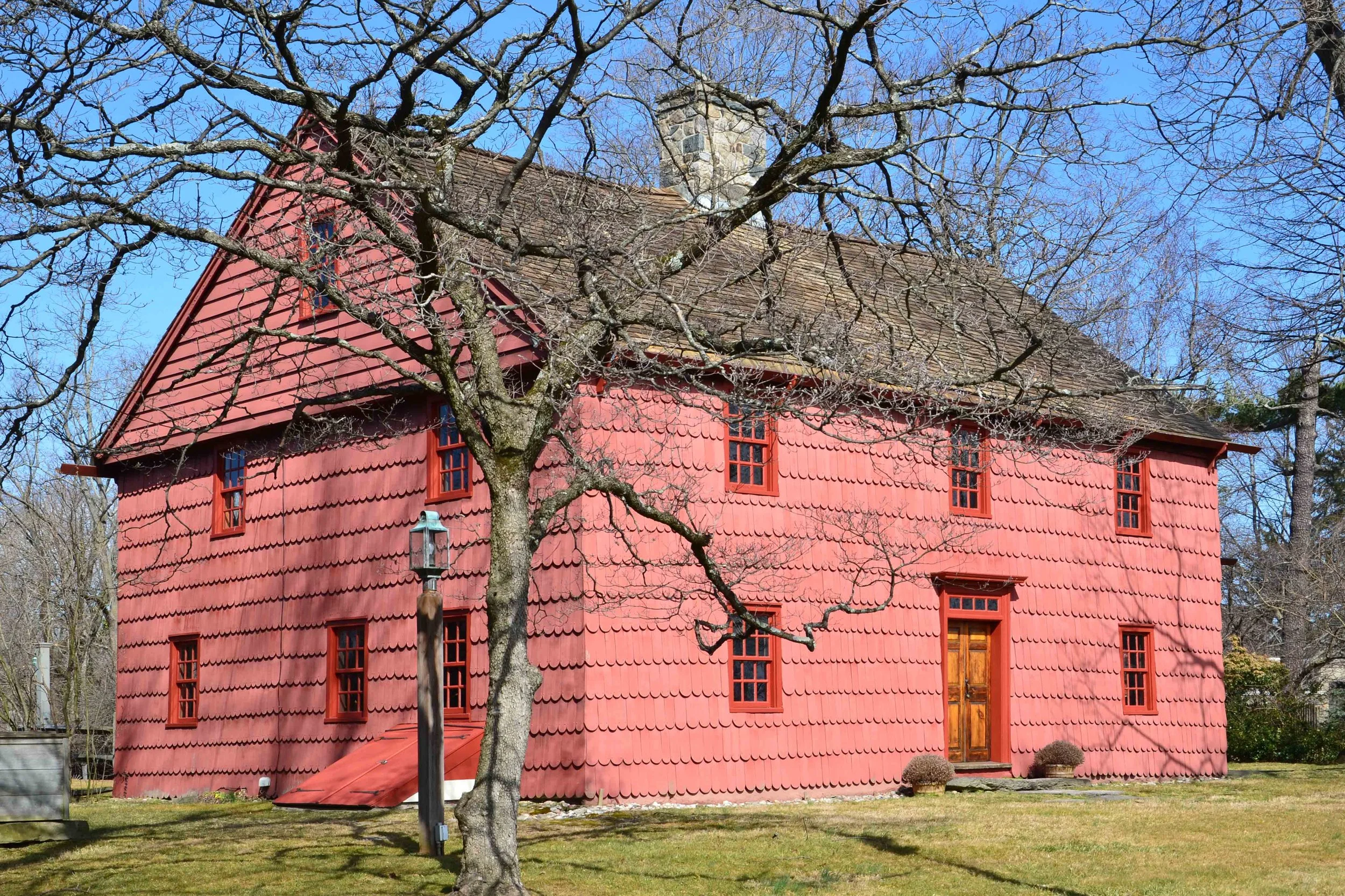

Dutch Colonial examples - Putnam Cottage, Greenwich, CT (left) | Hendrick Lott House, Brooklyn, NY (right)
Federal Colonial (1790s - 1830s): Elegant, refined homes with classical details, marking the post-Revolutionary period.
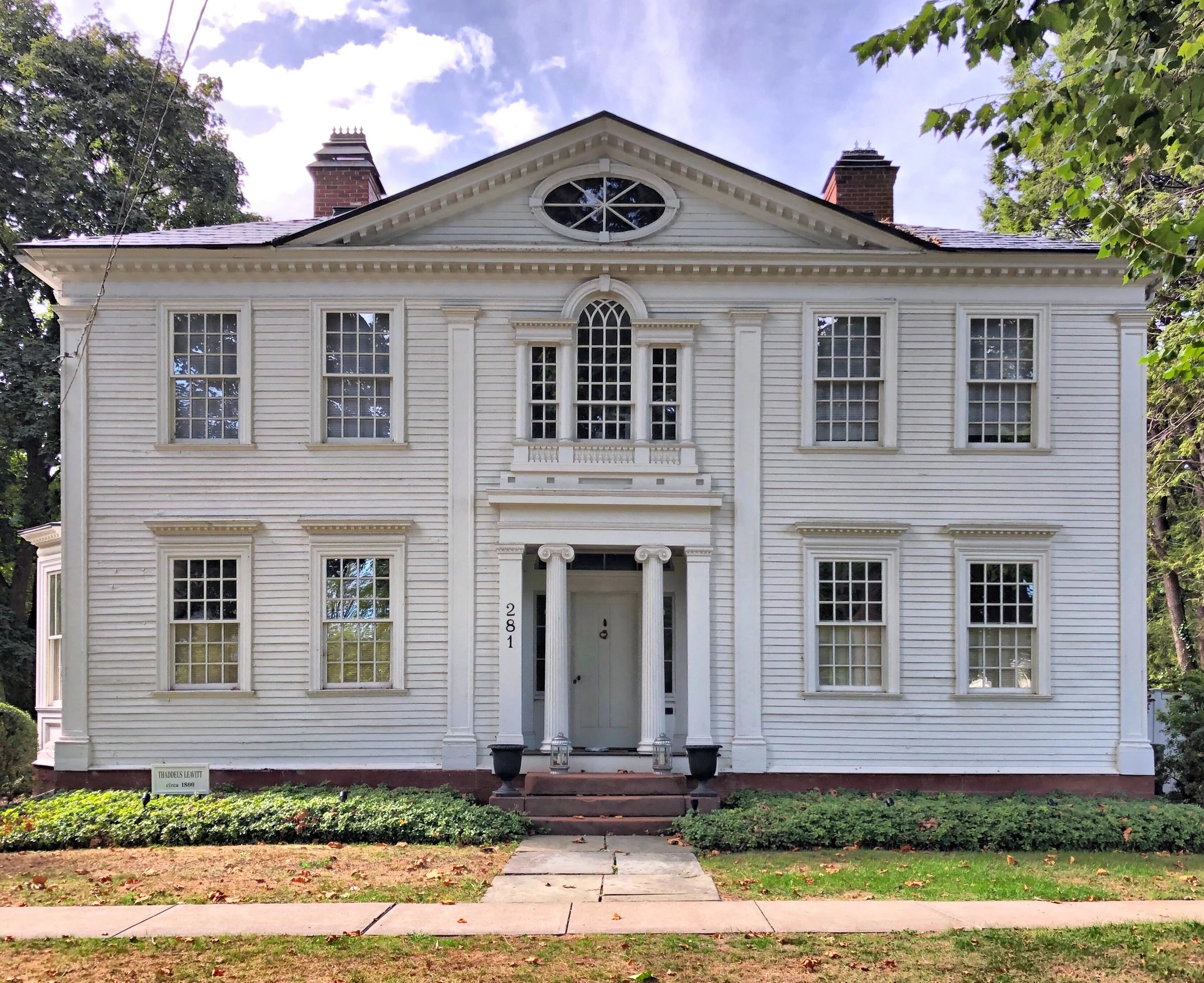
Federal Colonial example - Thaddeus Leavitt Jr. House, Suffield, CT
Southern Colonial (1700s - 1800s): Grand homes with expansive porches, columns, and high ceilings, designed for the warm climate.


French Colonial Style Example - Homeplace Plantation, Hahnville, LA | Spanish Colonial Style Example - Casa Nana, Palm Beach, FL by Addison Mizner
In summary, colonial style homes represent a fusion of European design traditions, regional influences, and the practical needs of early Americans. Whether in the form of a Cape Cod cottage, a Georgian mansion, or a Southern veranda, these homes continue to evoke a sense of history and timeless elegance.
- Key Differences between Traditional vs. Modern Colonial House Design -
As lifestyles have evolved, so too has the interpretation of colonial design. This comparison highlights the key differences between traditional colonial house designs and their modern counterparts, emphasizing how functionality and aesthetics have shifted over time.
1. Floor Plan and Layout: In traditional colonial homes, the floor plan is highly symmetrical, featuring a formal and compartmentalized layout. Each room serves a distinct purpose, creating defined transitions from one space to another. Conversely, modern colonial designs embrace an open-concept layout that integrates living spaces seamlessly. This approach not only fosters social interaction but also enhances the distribution of natural light throughout the home.

This Charles Hilton Architects’ project first floor plan is a prime example of a modern floor plan, featuring an open-concept layout between the primary living spaces.

Like most historic colonial homes, this Charles Hilton Architects’ project has compartmentalized rooms, each with a formal function.
2. Room Use and Flexibility: Traditional colonials adhere to defined room usage, with each space dedicated to a specific function. Modern interpretations often offer flexible rooms that can be repurposed based on the homeowner's needs, accommodating diverse lifestyles and changing family dynamics.
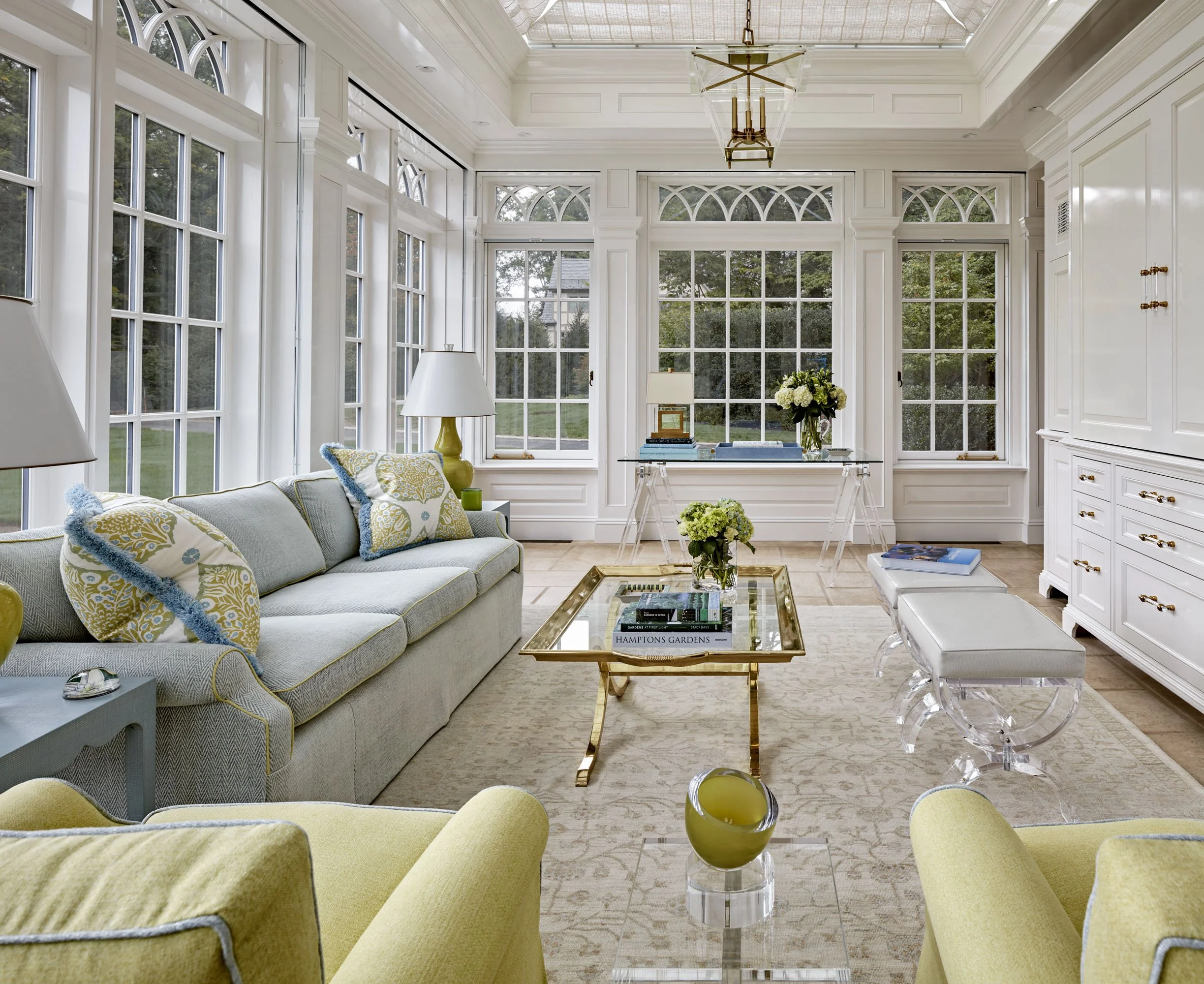
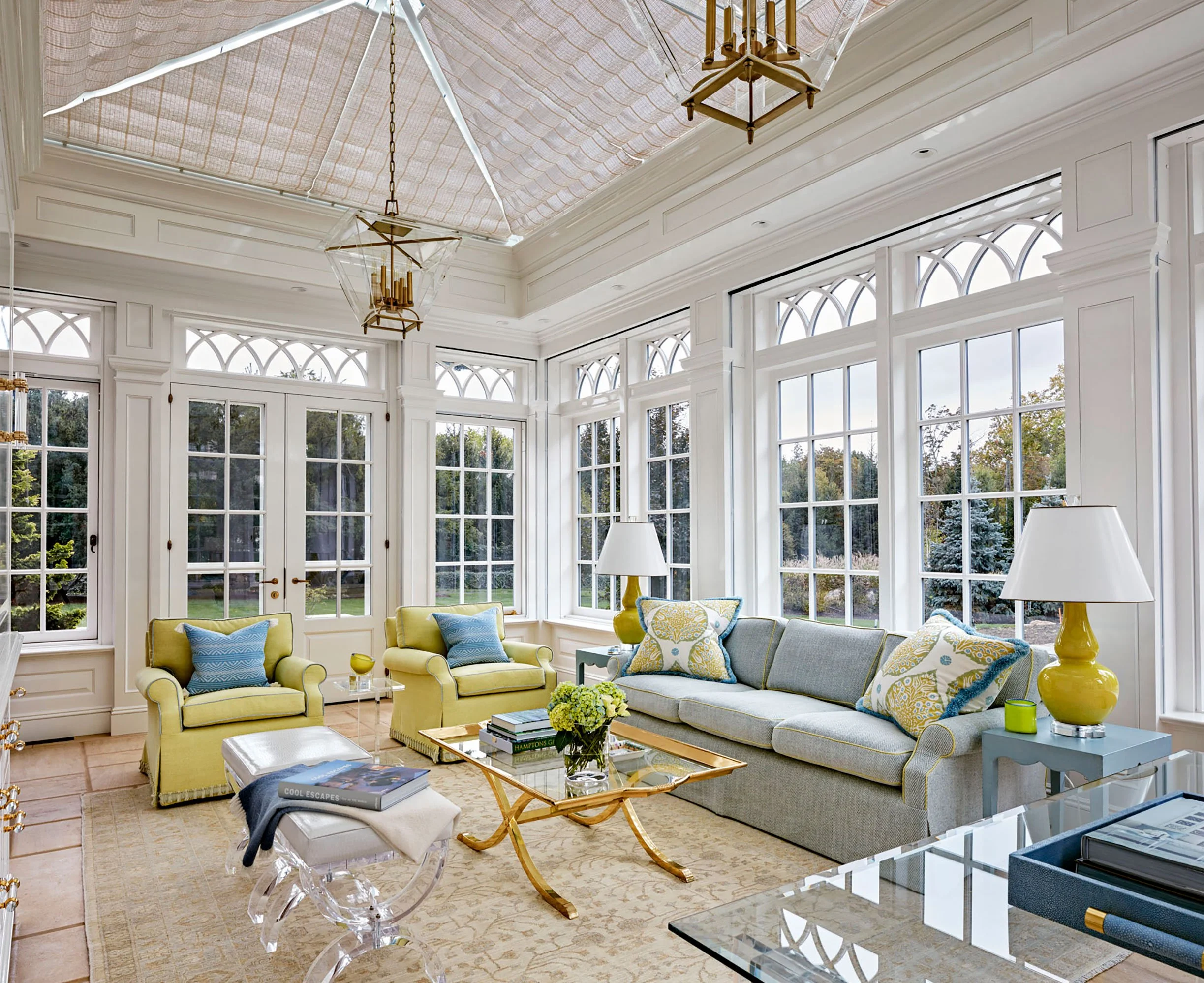
This CHA-designed colonial serves as a sunroom, entertainment space, as well as an office for the homeowner.
3. Living and Dining Spaces: Traditional colonial houses typically include separate living and dining rooms, adhering to a formal arrangement that promotes distinct activities in designated areas. In contrast, modern colonial design favors large, interconnected spaces where the kitchen, dining, and living areas coexist. This design paradigm caters to contemporary lifestyles, encouraging family gatherings and entertaining in a relaxed environment.

This colonial home’s breakfast room is open to the kitchen, creating an informal living and entertainment environment.
4. Kitchen Design: Kitchens in traditional colonial homes are often small and utilitarian, segregated from the main living areas. They are designed primarily for functionality. In contrast, modern colonial kitchens are expensive and central to the home, frequently featuring islands or breakfast bars. This transformation reflects a shift towards culinary experiences and family interaction, making the kitchen a social hub.
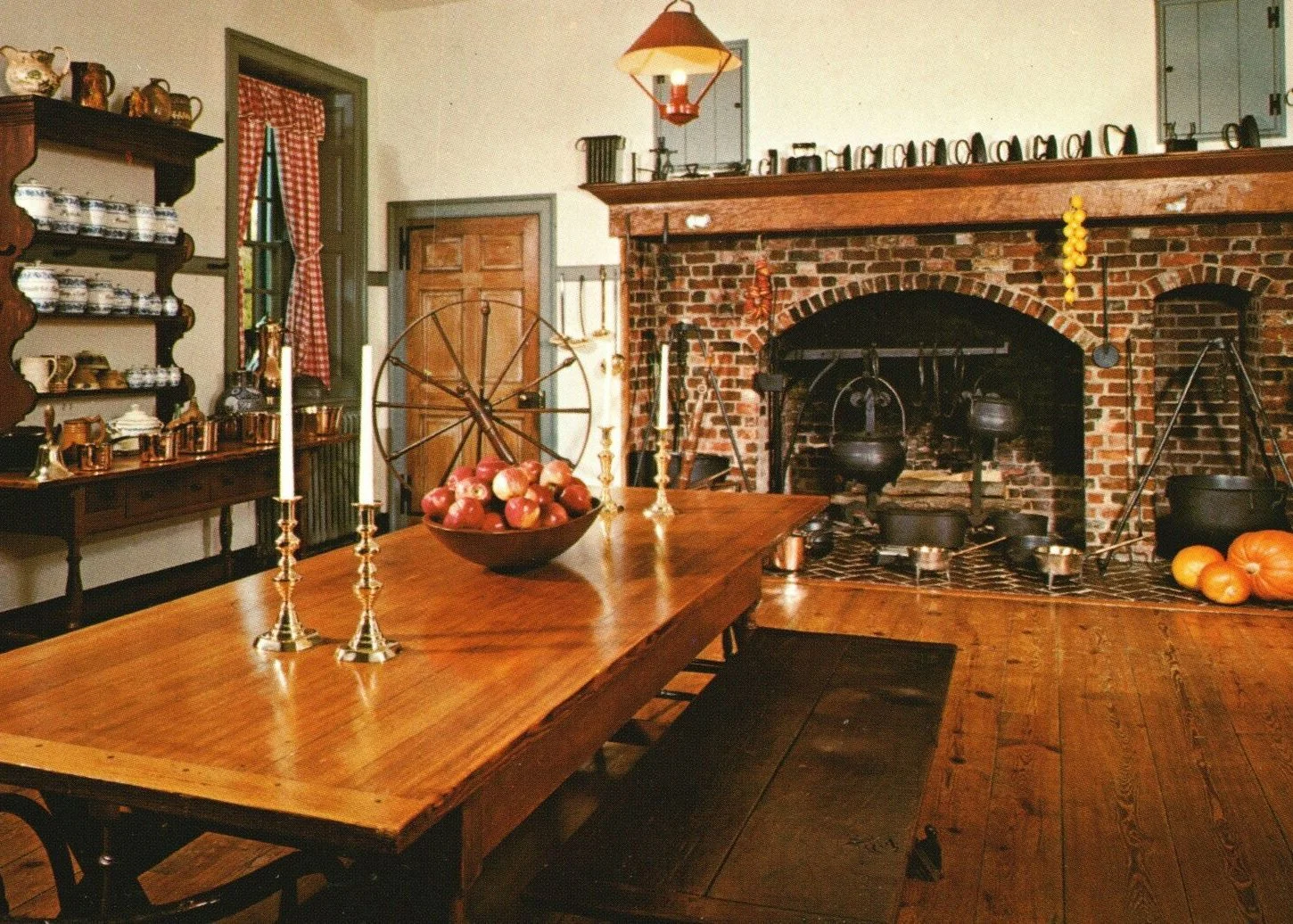

Carter’s Grove – Traditional kitchen example | Charles Hilton Architects – Modern kitchen example
5. Staircase Features: The central staircase in traditional colonial homes tends to be formal, and these often are closed off from other areas of the house. Modern colonial designs often incorporate more open or curved staircases that serve as striking architectural features, enhancing visual interest, and creating an inviting atmosphere.

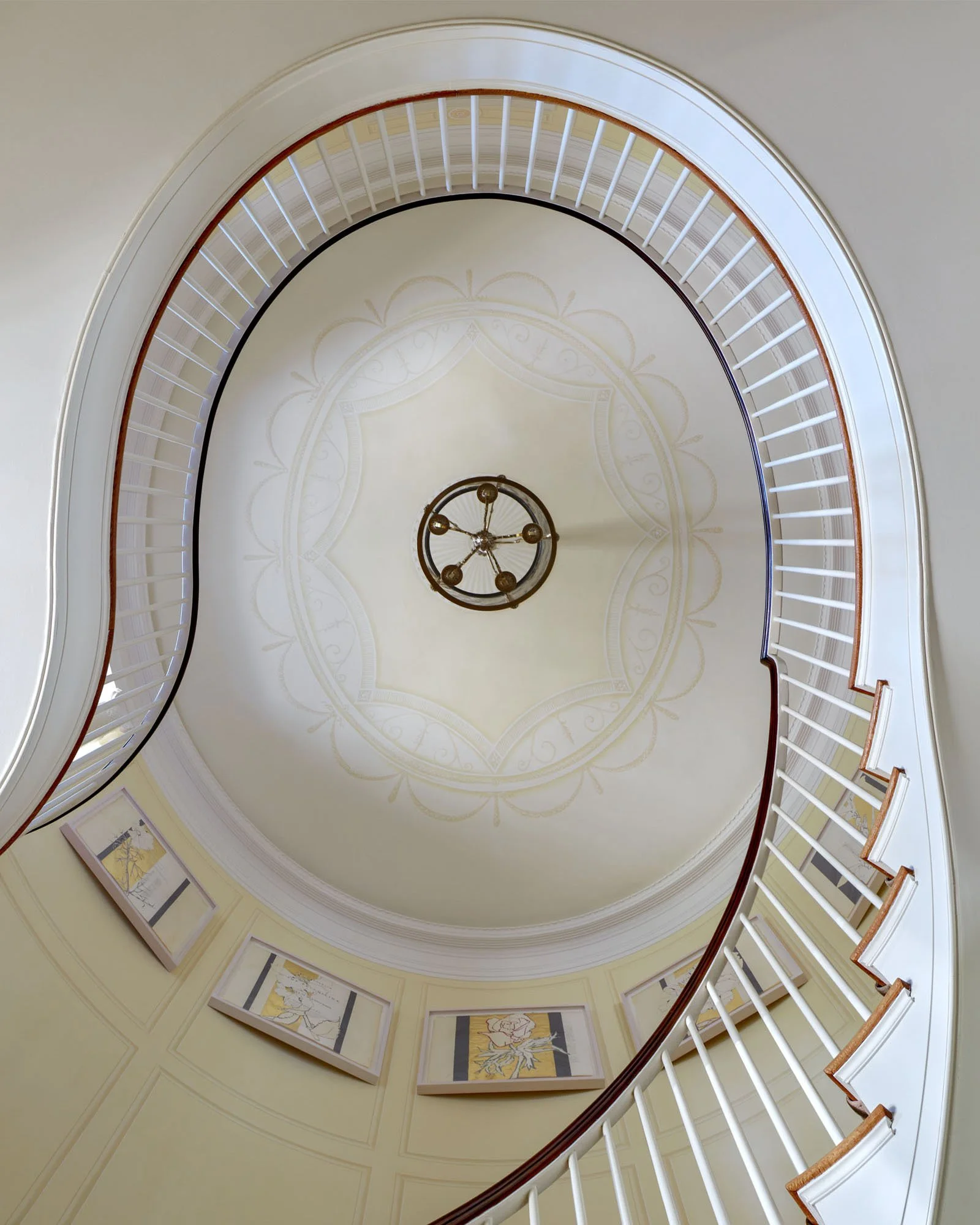
This colonial home features a formal staircase, separated from the house’s other rooms.
6. Window Design: In traditional designs, windows are smaller and symmetrically placed, emphasizing order and predictability. Modern colonial homes tend to feature larger windows, allowing for an abundance of natural light and fostering a connection to the outdoors. This design choice enhances the sense of spaciousness and livability.
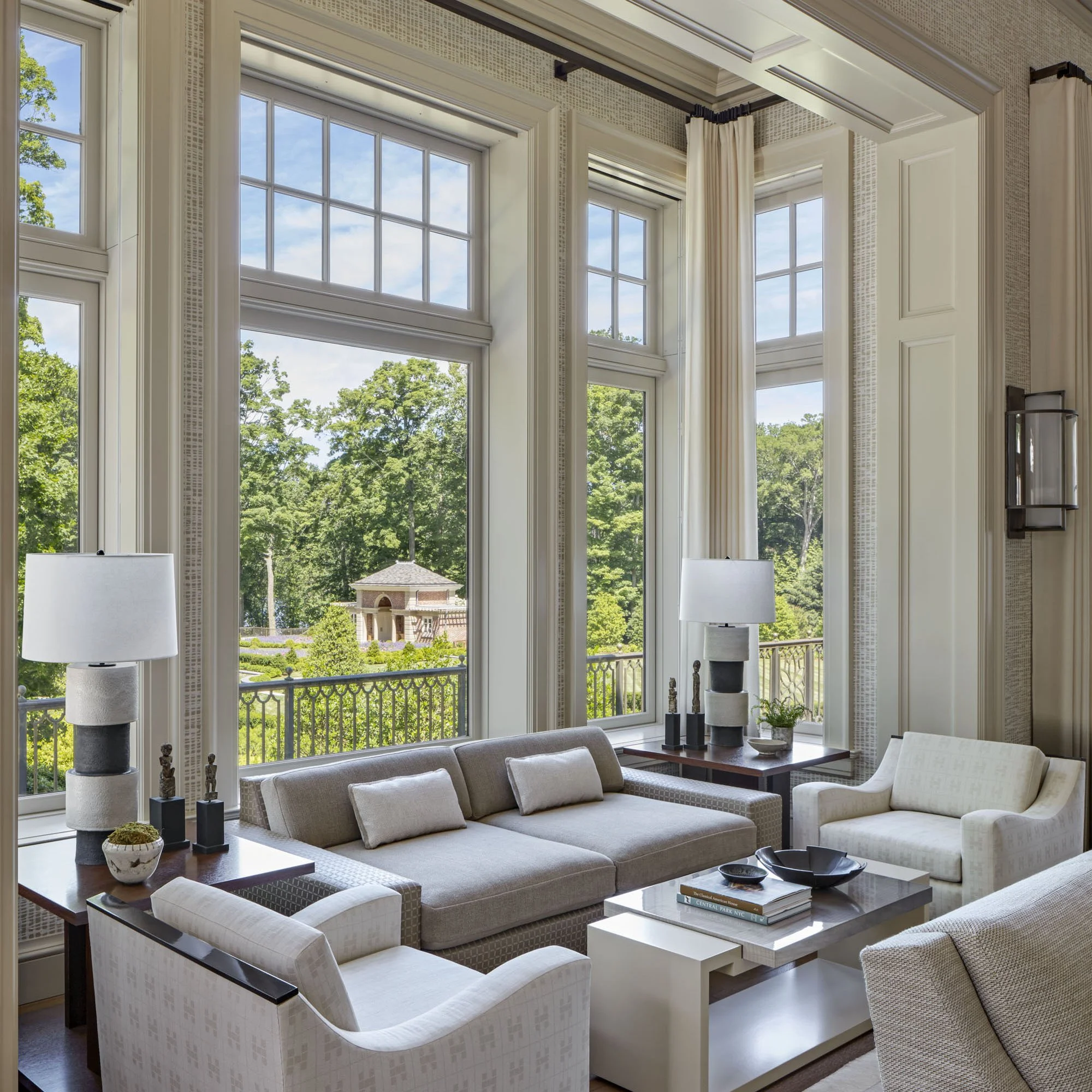
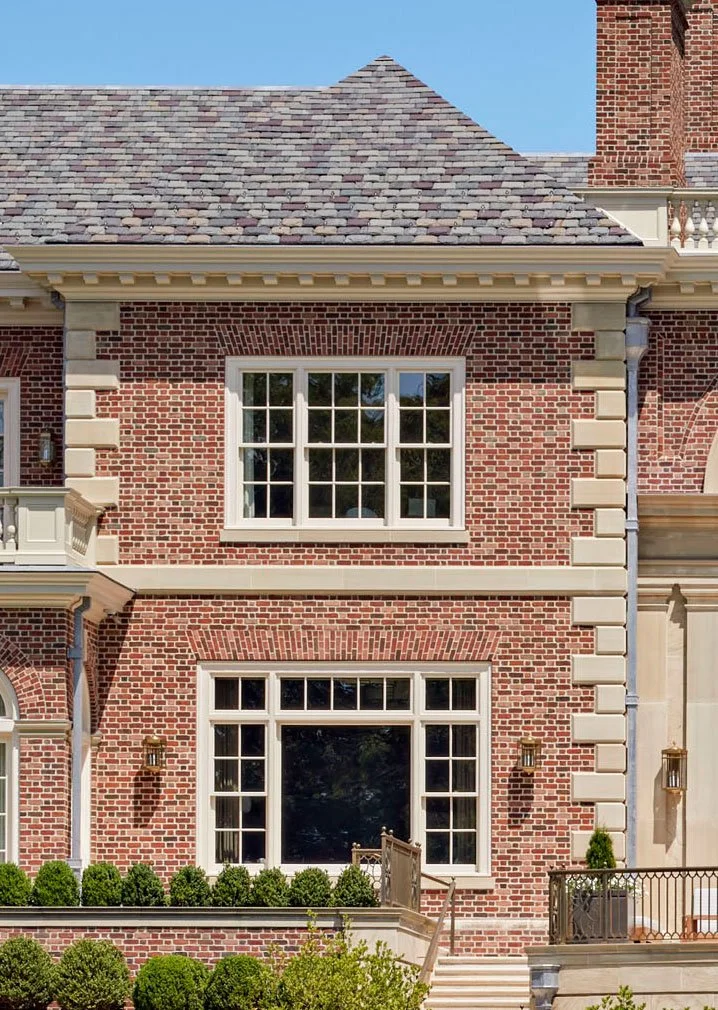
This contemporary CHA-designed home has windows ganged together to let an abundance of light into the interior. Central windows in each example forego the traditional muntins that divide the glass, allowing for unencumbered views to the outside.
7. Upper Floor Layouts: While traditional upper floors typically consist of bedrooms with small closets and shared bathrooms arranged in a conventional manner, modern colonial designs often include larger primary and family bedroom suites with luxurious amenities and multiple bathrooms and closets. This evolution reflects the desire for comfort and privacy, catering to modern expectations of home life.
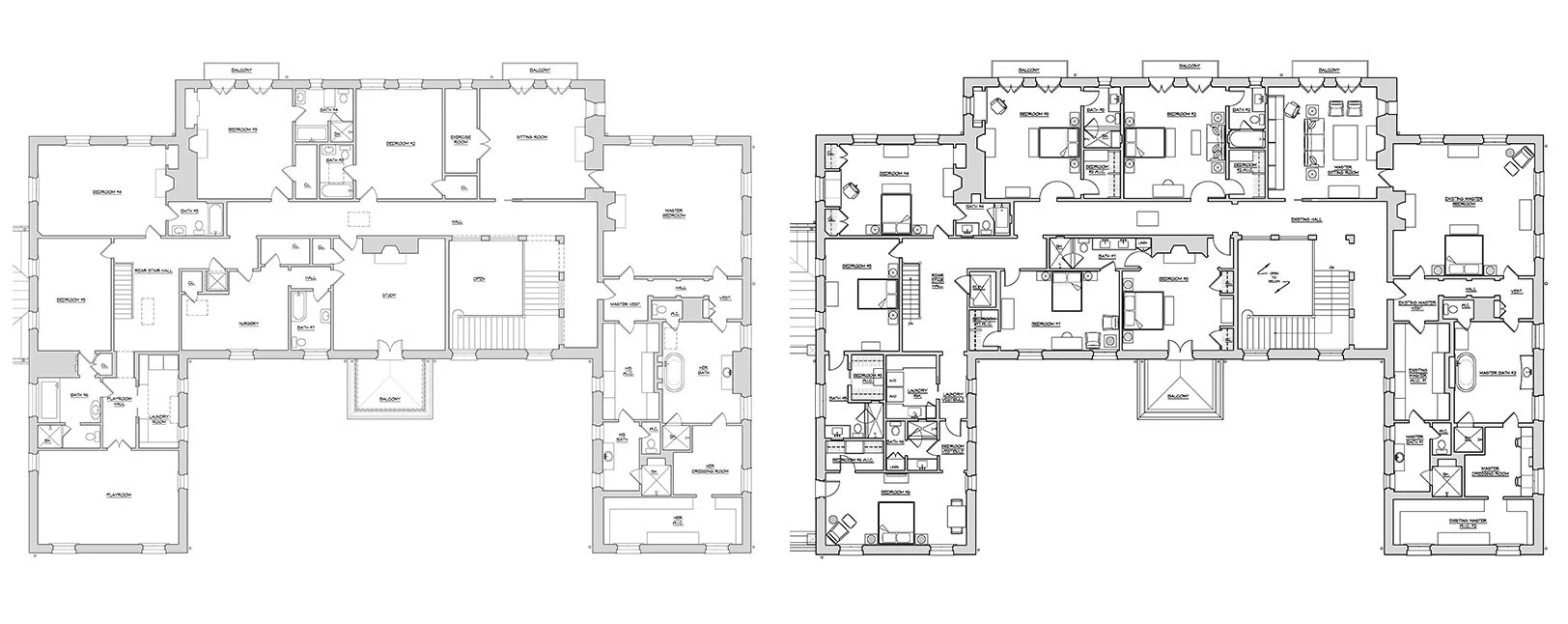
This 1917 waterfront home was renovated by Charles Hilton Architects for modern living. The second floor was gutted and reworked to give each bedroom an en-suite bathroom and closet. Before (left) | After (right)
To summarize, the layout of traditional colonial homes is formal and divided, reflecting an era when privacy, distinct room functions, and separation of spaces were essential. On the other hand, modern colonial homes are designed for convenience and comfort, with open-concept layouts that foster greater interaction and flexibility. While both layouts retain the core colonial characteristics of symmetry and elegance, the modern version adapts to the needs of today’s homeowners, blending tradition with contemporary style and functionality.
- Other Key Features of Modern Colonial Homes -
These include:
1. High Ceilings and Spacious Interiors
Modern colonial homes often feature higher ceilings—especially in common areas such as the living room and foyer—creating a sense of airiness and space. Open, vaulted, or tray ceilings are frequently used to enhance the sense of grandeur and provide a more contemporary feel. Spacious interiors with wide hallways and large rooms are common to accommodate modern family needs.

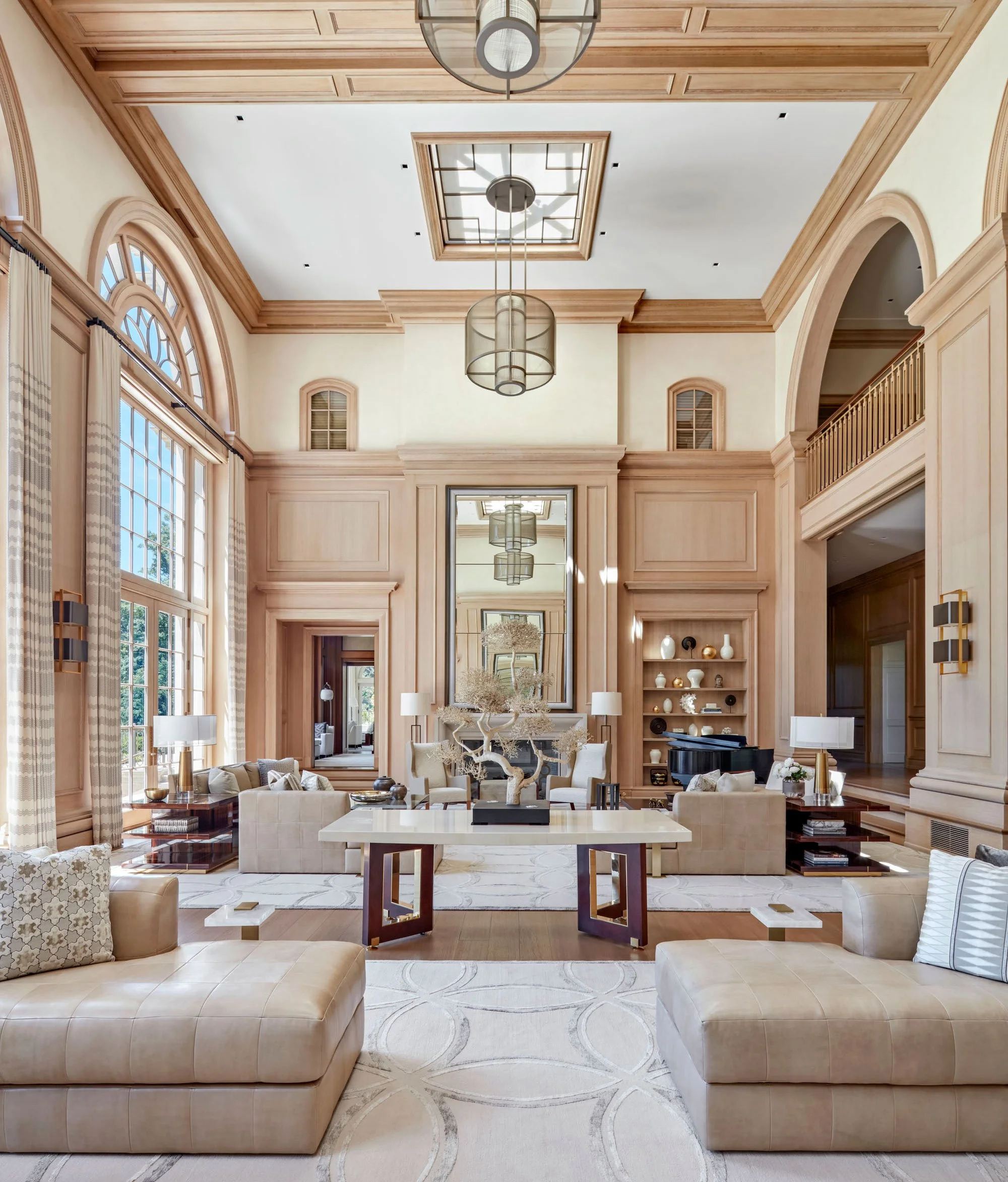
This new house features a centralized living room with two-story high ceilings.
2. Gourmet Kitchens
The kitchen is often the heart of a modern colonial home, and modern designs have evolved to make it a larger, more functional space. With expansive countertops, islands, and open flow to the dining and living areas, the kitchen becomes both a functional workspace and a social gathering spot. High-end appliances, walk-in pantries, and smart technology are common features in these kitchens.

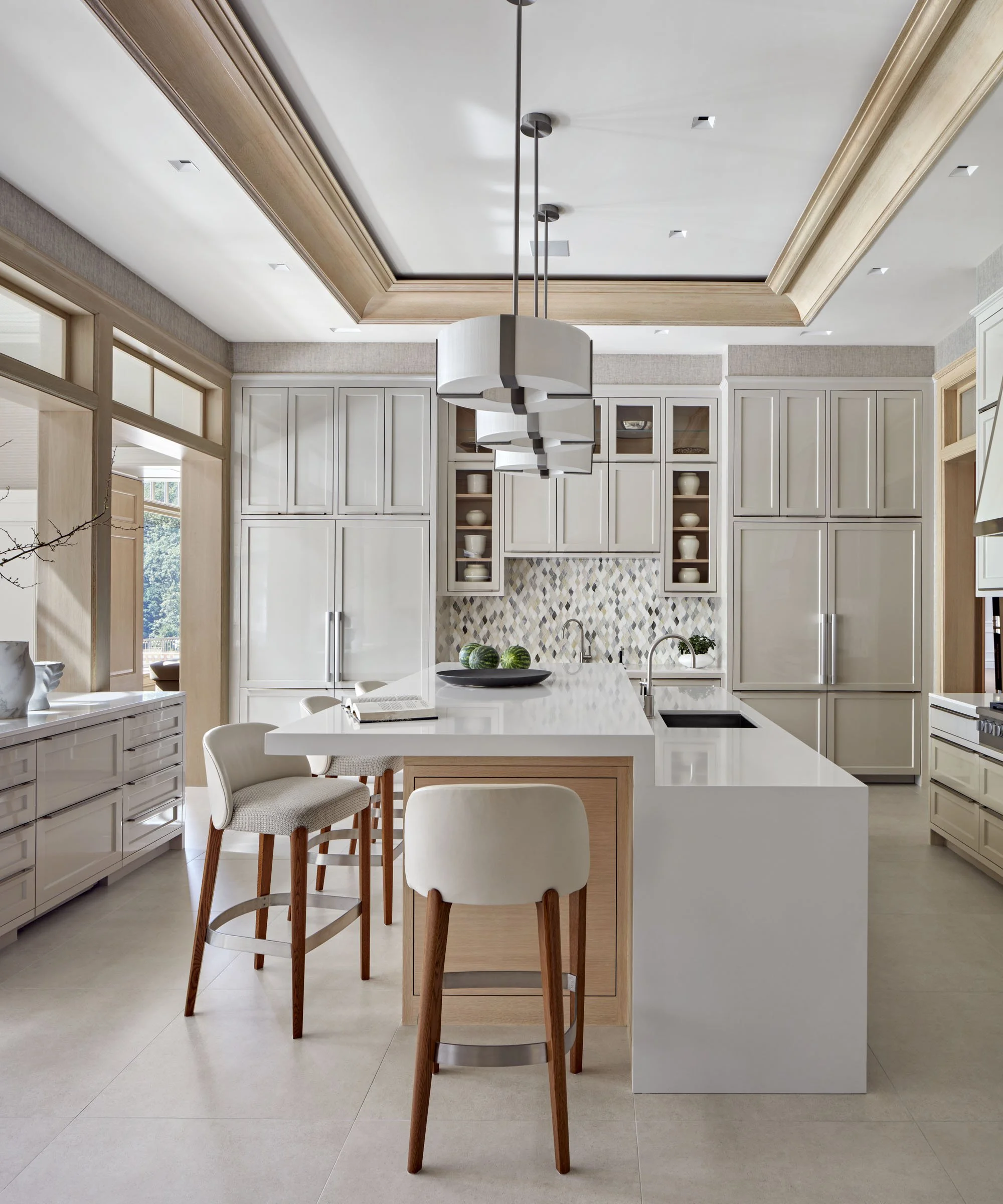
This transitional kitchen opens up to the home’s breakfast area for family gatherings and to let generous amounts of light into the kitchen. The room features expansive countertops and a large island.
3. Smart Home Technology
Modern Colonial homes are often equipped with the latest smart home technologies, offering convenience, energy efficiency, and enhanced security. Features like smart thermostats, mobile-controlled lighting, security cameras, and automated systems for heating, cooling, and entertainment are increasingly common in modern homes.

Smart home technologies can typically be controlled from an interface on your phone or tablet.
4. Luxurious Primary Suites
Modern Colonial homes often include expansive primary suites that serve as private retreats. These suites typically feature large bed chambers, spacious walk-in closets, and spa-like en-suite bathrooms with modern amenities such as soaking tubs, rain showers, dual vanities, and designer finishes. The emphasis on comfort and relaxation in the primary suite reflects the modern desire for luxury and privacy.

The primary suite in this home features a bed chamber, a sitting room, and his and hers baths and walk-in-closets.
5. Functional Mudrooms and Storage Spaces
With the demands of modern family life, modern colonial homes often include a dedicated mudroom near the informal secondary entryway to the house. These spaces are practical for dropping off shoes, coats, and bags, keeping the rest of the home organized and clean. Additionally, built-in storage solutions such as custom shelving, cabinetry, and closets are often incorporated throughout the home to maximize space and improve functionality.

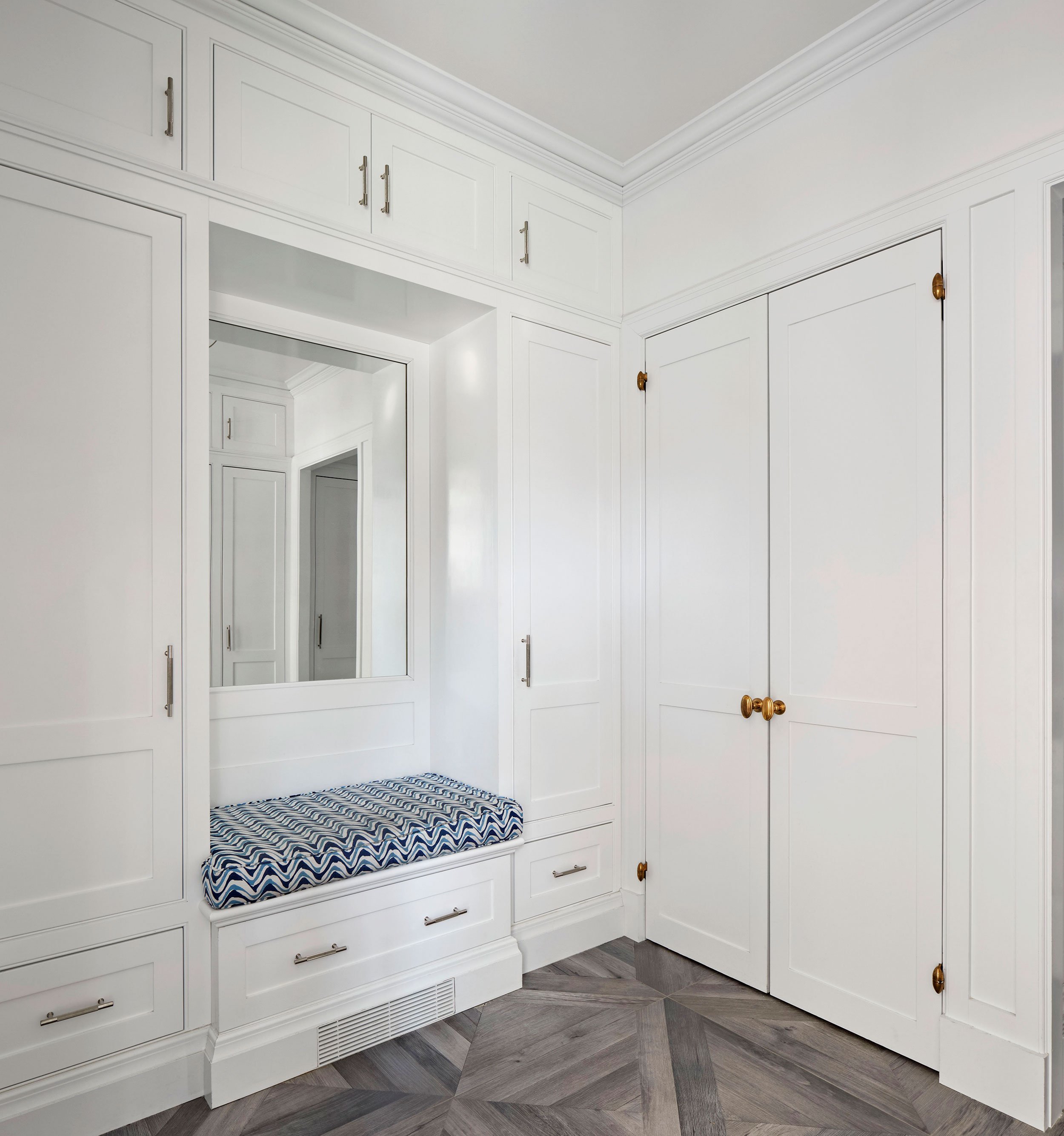
These mudrooms both have ample hanging storage and shelving to hold coats, shoes, and bags.
6. Energy-Efficient Features
Energy efficiency is a major consideration in modern homes. Windows and doors with high-efficiency glazing, energy-efficient HVAC systems, LED lighting, solar panels, and energy-saving appliances are commonly used to reduce energy consumption. Many homes also feature advanced insulation materials, such as spray foam or cellulose, to improve temperature regulation and reduce heating and cooling costs.

Examples of energy efficient features in a home: smart device control, LED lighting, green roofs, electrical co-generation systems, high efficiency HVAC, low-flow plumbing fixtures, and spray foam insulation.
7. Modern Exterior Elements
While retaining classic colonial proportions and symmetry, modern colonial homes often include updated exterior materials and finishes for increased durability and reduced maintenance. For instance, brick and wood facades might be paired or replaced with cellular PVC or Poly ash siding and trim, aluminum leaders and gutters, and composite shutters. The rooflines, while often still gabled or hipped, may feature more contemporary materials like standing seam metal roofing or architectural asphalt or composite shingles.
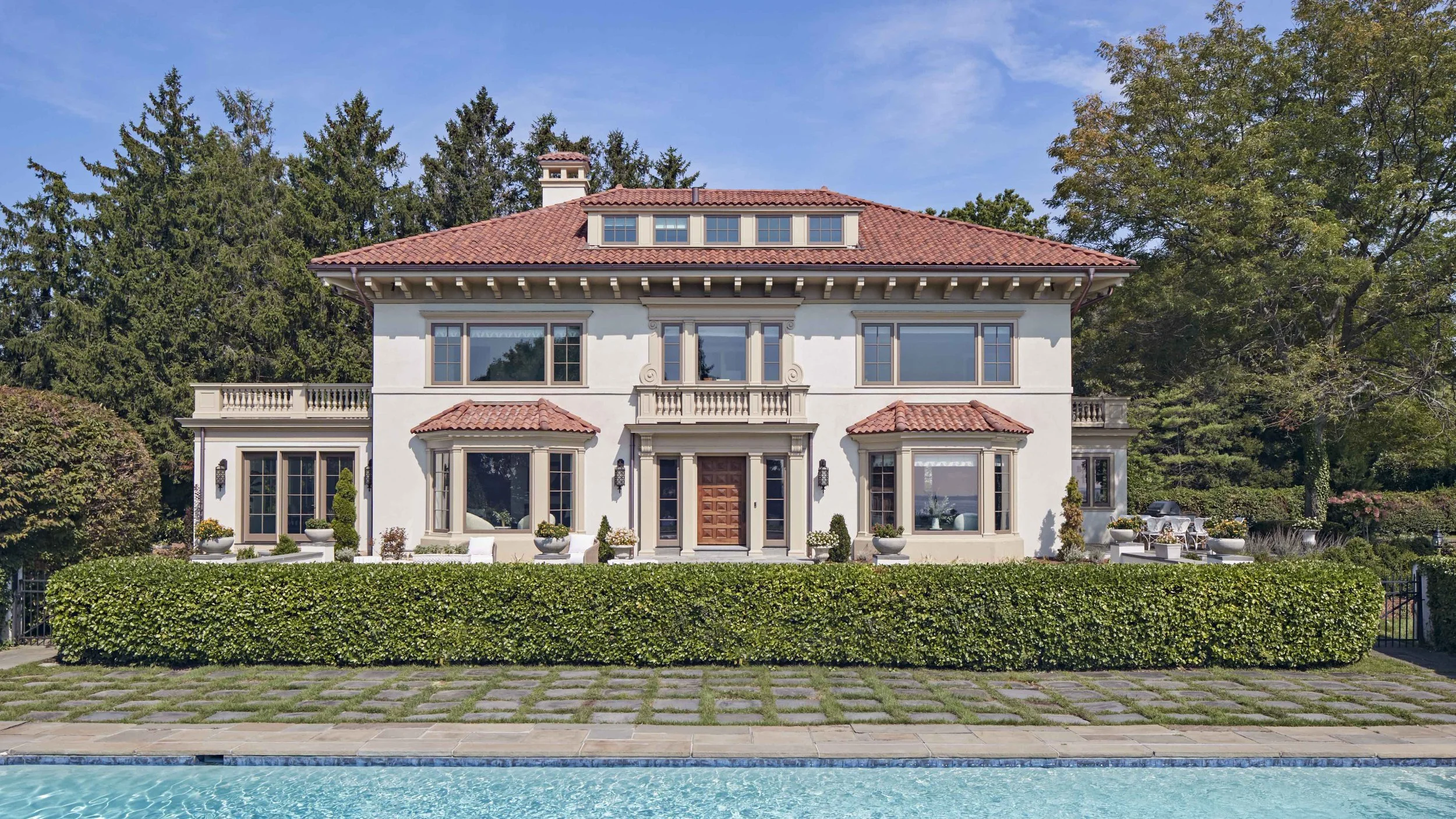
The exterior of this CHA-designed Spanish colonial home makes extensive use of cellular PVC for the cornice, bay window, entry door surround, carved brackets, window and door trim, railings, and balusters.
8. Outdoor Living Spaces
Outdoor living is an important part of modern colonial design. Many modern Colonials feature large, integrated outdoor spaces such as patios, decks, pool terraces or verandas that extend the living area beyond the walls of the home. These spaces may include outdoor kitchens, fire pits, seating areas, and landscaped gardens that create a seamless transition between the indoors and outdoors.
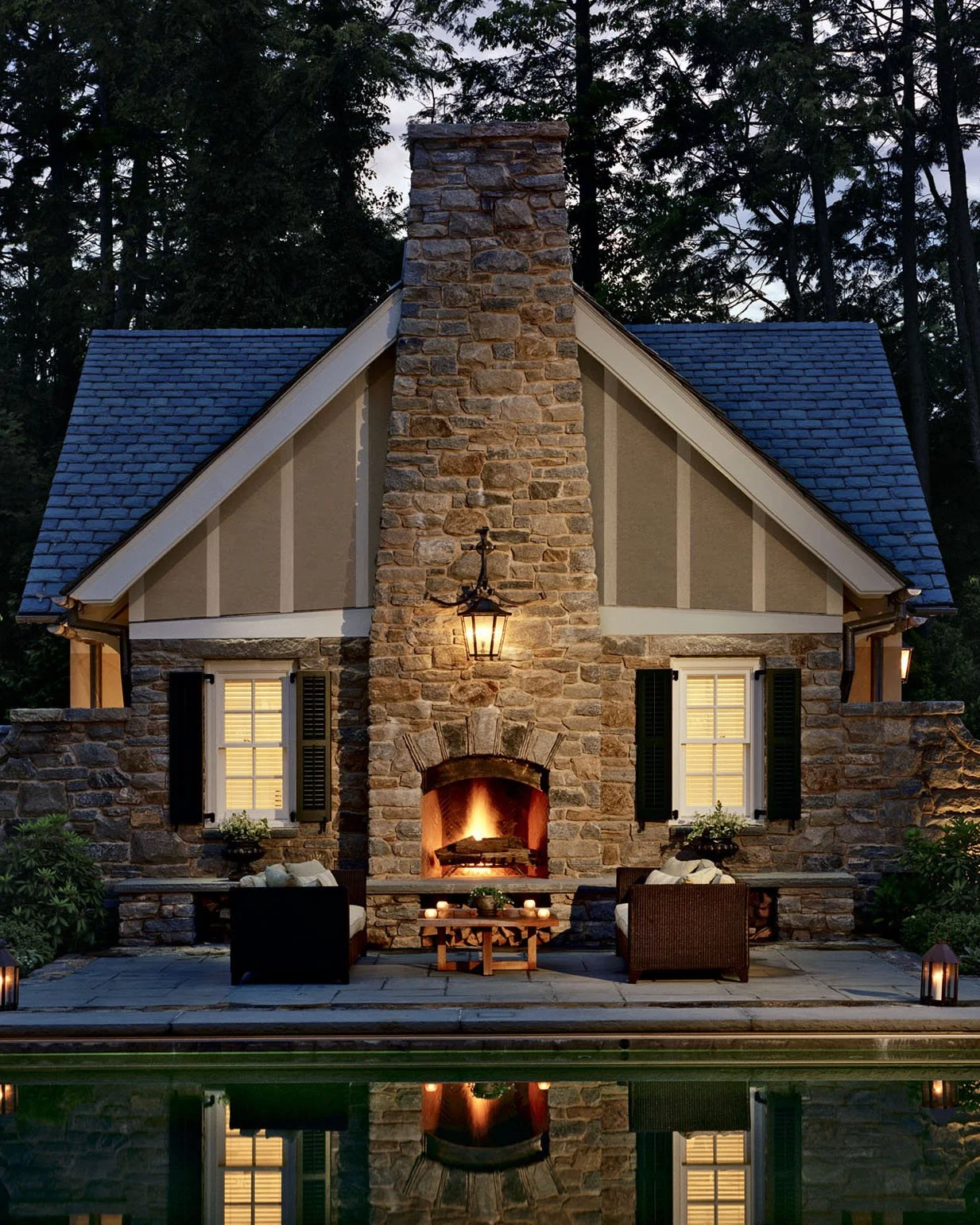
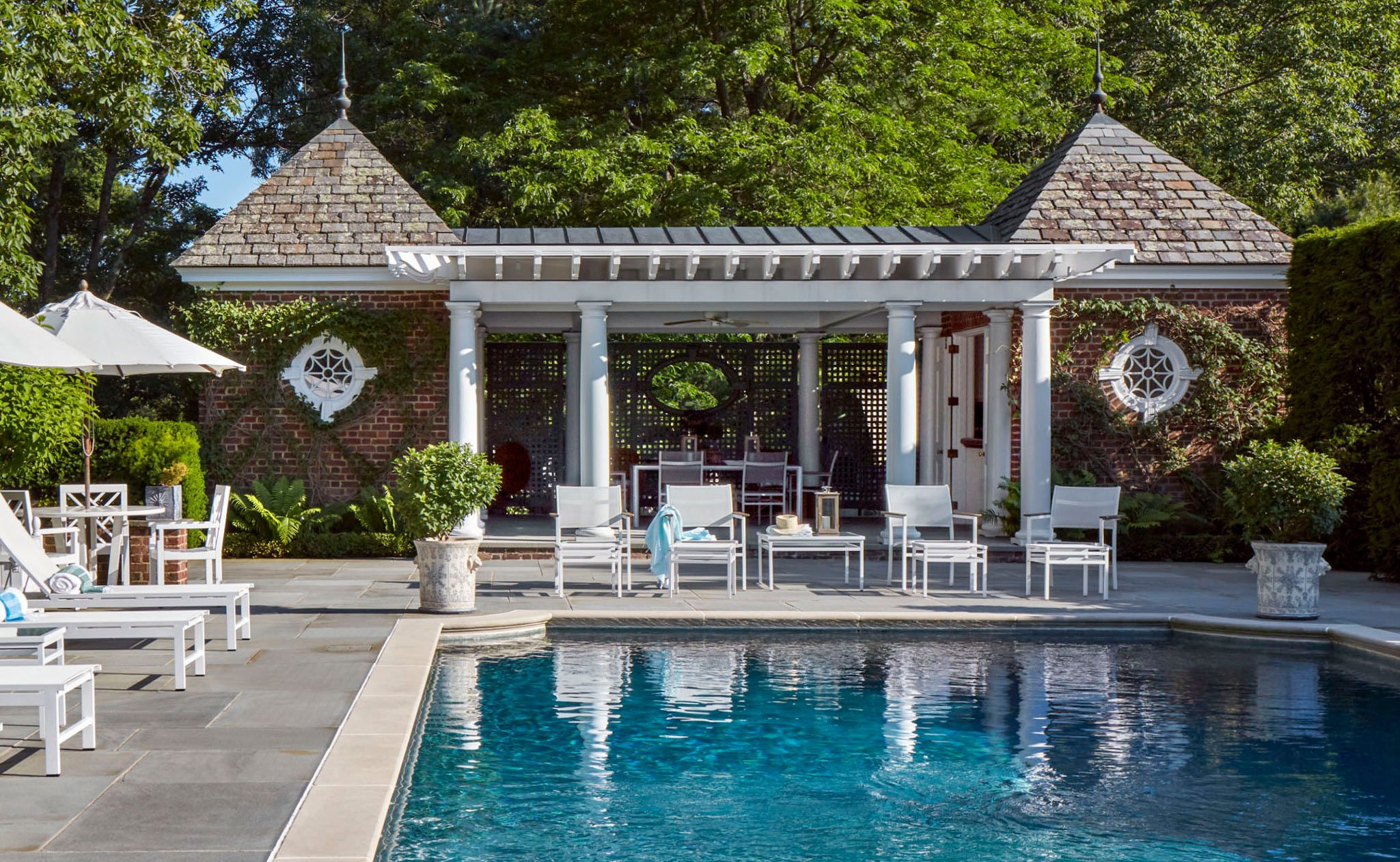

(left) Westchester Colonial Guest House | (middle) Pool House on a Georgian Estate | (right) Pergola on Countryside Residence.
9. Minimalist, Updated Interior Design
The interiors of modern colonial homes are often less ornate than their traditional counterparts, embracing a minimalist approach while maintaining elegance and warmth associated with colonial style. Simple, clean lines, neutral color palettes, and modern furnishings are combined with classic colonial features like hardwood floors, crown molding, and paneling. This balanced approach creates a fresh yet timeless atmosphere.
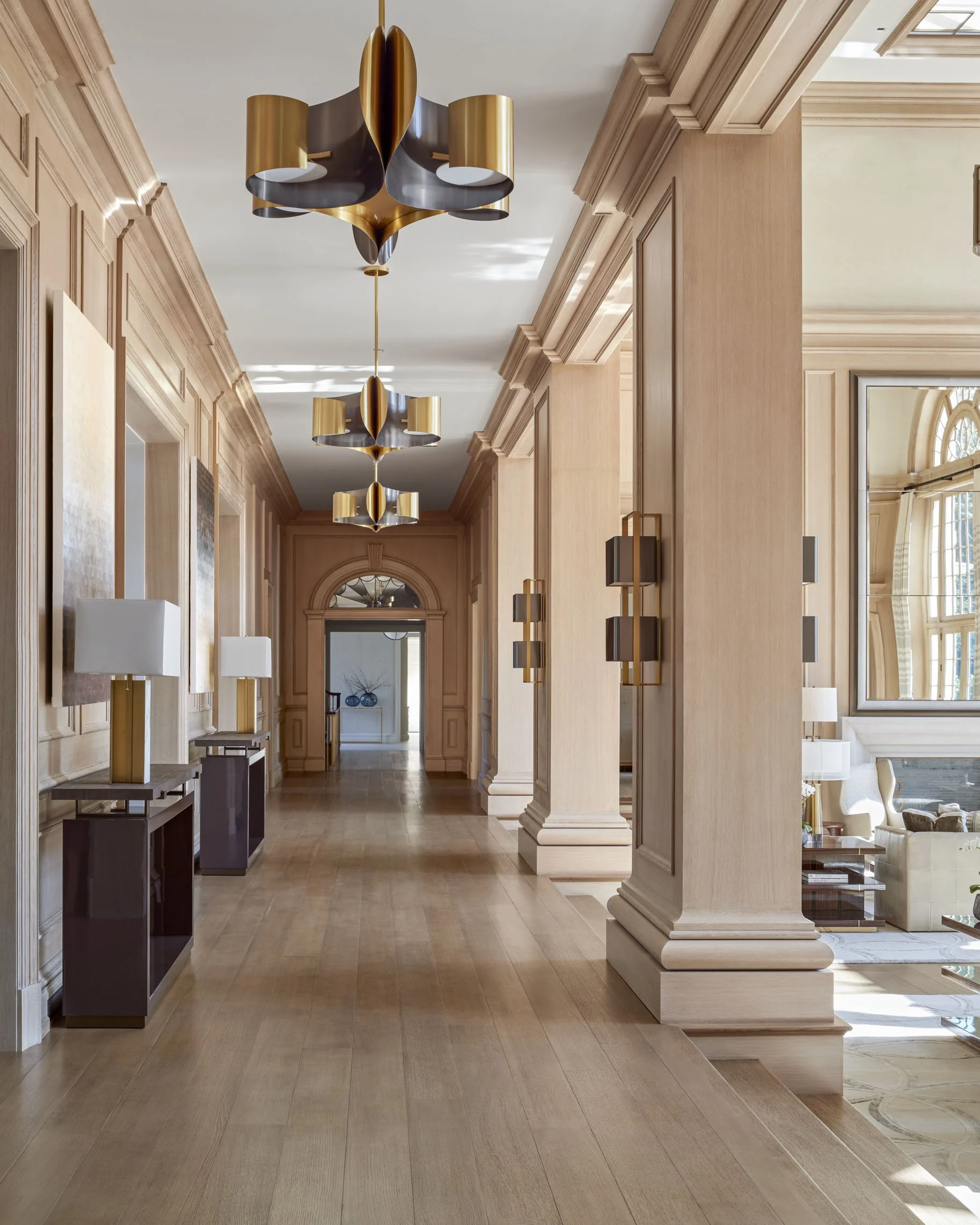


Rooted in classical proportioning, this project leaned into the modern minimalist approach, while still maintaining the scale and essence of colonial design.
10. Finished Basements and Attics
Many modern colonial homes include finished basements or attics that provide additional living space. These areas are often transformed to house wine cellars, home theaters, game rooms, home offices, or guest suites, making them highly versatile and functional for today’s needs. The finished basement is particularly popular in areas with colder climates, offering extra warmth and usable space for families.
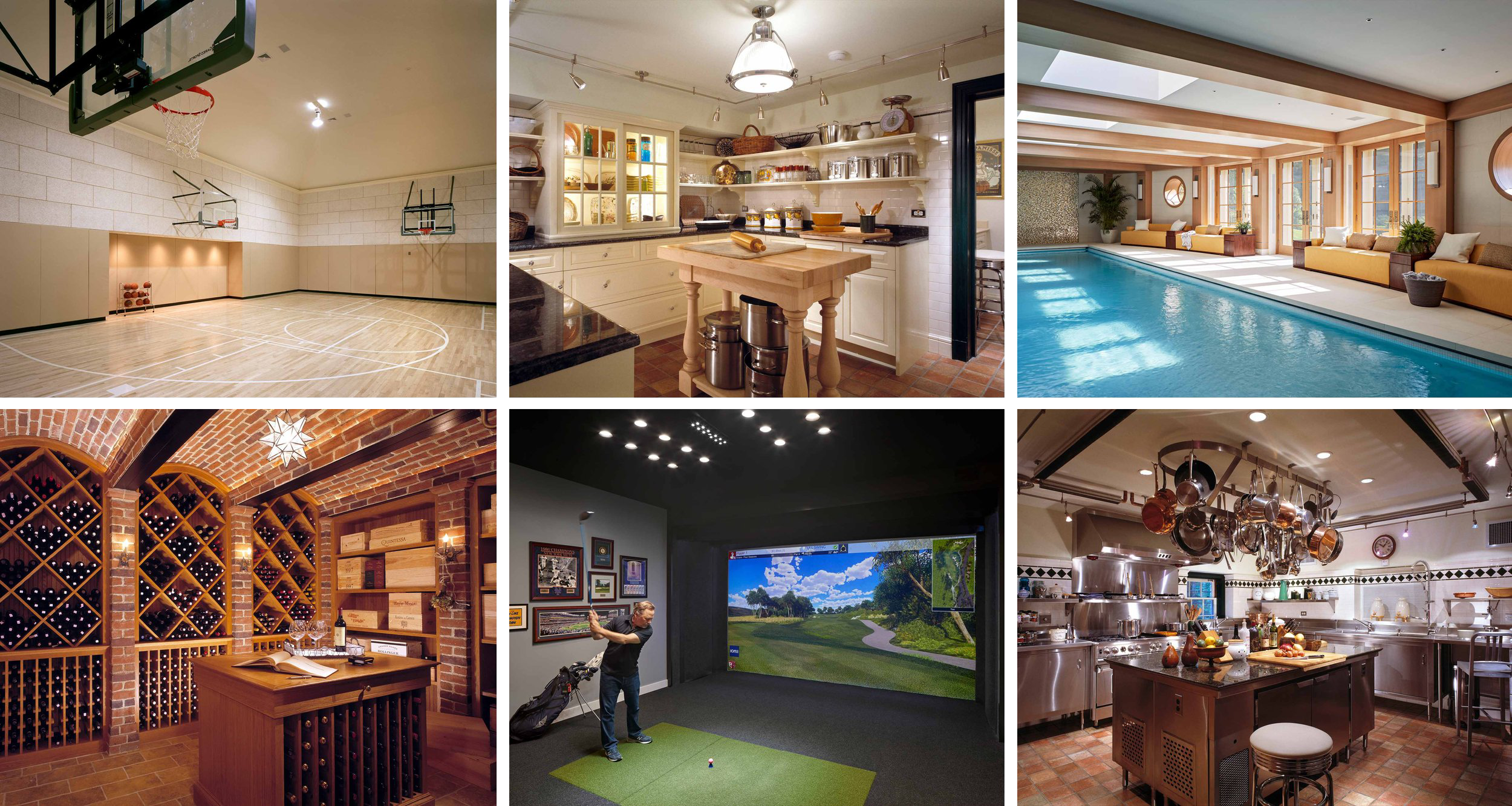
Six images from different CHA projects illustrate the many ways basements can be utilized in colonial homes.
In summary, Modern Colonial homes blend the best of both worlds, honoring the historic charm and symmetry of the colonial style while integrating modern conveniences, open spaces, and contemporary designs. From open-concept living areas and expansive kitchens to luxurious primary suites and energy-efficient features, these homes are tailored to meet the demands of today’s homeowners, making them ideal for families who appreciate both tradition and innovation.
- Compelling Reasons to Choose a Colonial Style for Your Home -
There are several compelling reasons why you might consider a Colonial-style for your home include:
1. Timeless Elegance: Colonial homes exude a sense of timeless elegance that has withstood the test of time and remains highly popular.
2. Symmetry and Balance: The design of colonial homes is known for their symmetry and balanced proportions, creating an aesthetically pleasing and harmonious environment. For many homeowners, this sense of order and balance is deeply satisfying and promotes a calm, organized atmosphere.
3. Practical, Efficient, Functional Layouts: Colonial-style homes are renowned for their practical, efficient, and functional layouts. Whether a more traditional layout with distinctly separate functional spaces or a modern open floor plan, colonial design prioritizes efficiency and flow, making it perfect for families who need a home that suits everyday living and entertaining.
4. Spaciousness and Comfort: Today’s Colonial homes tend to be spacious, with large rooms, high ceilings, and plenty of storage space. The second story often includes generously sized bedrooms and bathrooms, making it ideal for families or individuals who appreciate the room to spread out. Additionally, many colonial homes are designed with large windows that allow natural light to flood the interiors, enhancing the sense of space and comfort.
5. Historical Charm with Modern Amenities: One of the greatest benefits of choosing a Colonial-style home is the ability to combine the charm of a classic American architectural style with modern conveniences. With updates such as energy-efficient windows, smart home technology, and contemporary kitchens and bathrooms, a colonial home can offer both historical character and the comforts of modern living.
6. Versatility in Design: Colonial homes can be easily customized to reflect your personal style. From the choice of materials (such as brick, wood, or stone) to a very broad range of floor plan options, Colonial-style homes provide ample opportunities for design flexibility and personal expression.
7. Great for Both Urban and Suburban Settings: While Colonial homes are often associated with suburban areas, they also work well in urban environments. The classic, stately look of colonial architecture can complement a variety of landscapes, whether nestled in a suburban neighborhood or situated on a city street.

Nestled in the heart of Greenwich, CT, this new home was designed to utilize the maximum available width of its narrow lot, to embrace the site’s varied topography, and to fit seamlessly within its historic neighborhood.
8. Resale Value: Because Colonial-style homes have remained popular over the years and continue to be in demand, they tend to hold their value well and offer strong resale potential. Their classic appeal and versatility make them attractive to a broad range of buyers, ensuring that your investment is likely to appreciate over time.
- Customization Options for Your Colonial Home Renovation or Build -
Charles Hilton Architects offers a range of customization options, ensuring that your colonial home is perfectly suited to your personal tastes and needs, including:
1. Exterior Customization:
Materials: Choose from a variety of exterior materials such as brick, wood, stone, or even a combination to create a distinct look for your colonial home. Whether you prefer the traditional red brick facade of a Georgian Colonial or a more rustic, natural finish, the possibilities are many.
Rooflines: We customize the roof style to fit your vision, whether it is a steeply gabled roof, a hipped roof, or a more modern, minimalistic design. Roof materials can also be tailored to your preferences, from traditional slate and wood shingles to traditional copper or sleek metal roofing.
Windows & Doors: Choose window styles, like the traditional 6-over-6, 6 over 9 or 8-over-8 grid patterns, or opt for larger, more modern windows to bring in more natural light. Your front door can be customized with a variety of wood species, finishes, sidelights, or decorative elements, adding curb appeal and character.
2. Interior Layout Customization:
Open vs. Traditional Floor Plans: While Colonial homes traditionally feature more compartmentalized rooms, modern colonial designs often incorporate open-concept spaces. You can choose to blend the formal, traditional layouts with modern, spacious open-plan areas for your kitchen, dining, and living rooms, creating a more relaxed and interconnected flow.
Room Functionality: Customize the rooms in your colonial home to suit your needs. Add a large, luxurious primary suite with walk-in closets and spa-inspired bathrooms, or create functional spaces like a home office, library, or media room that complement your lifestyle.
Staircases and Entryways: Customize the staircase design to be a striking focal point—whether it is a grand, curved staircase or a more common, straight stairway. The entryway can also be tailored with elegant architectural features such as columns, moldings, and a custom-designed door that reflects your style.
3. High-End Finishes and Materials:
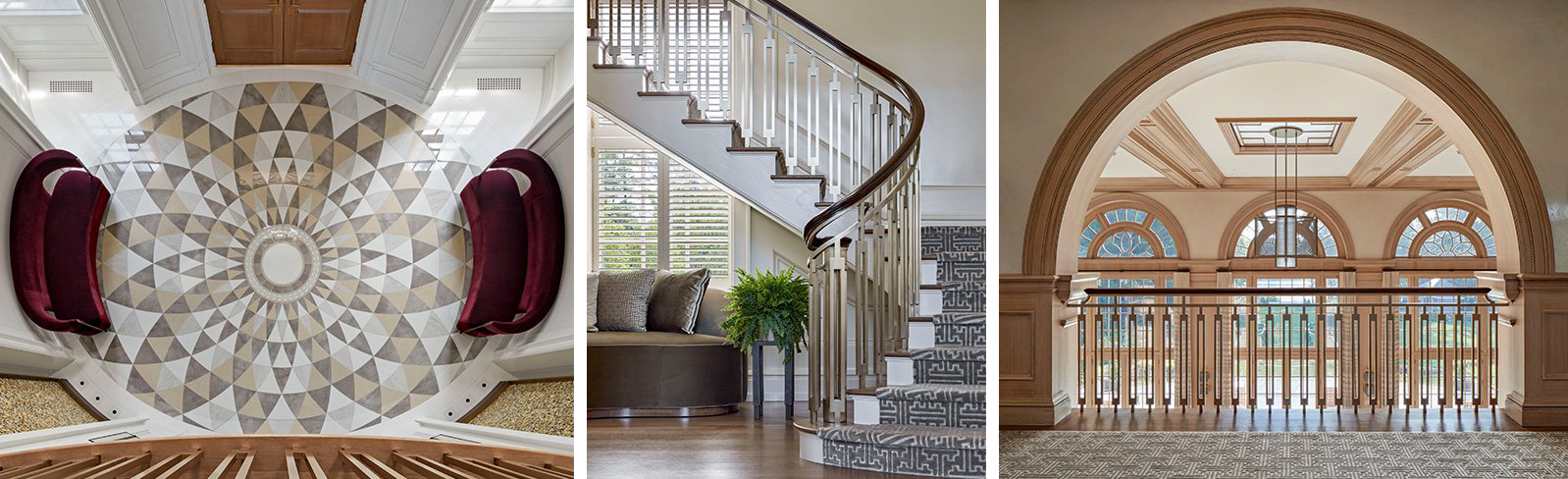
(Left) The paneled Entry Hall features a Campidoglio-inspired mosaic tile floor. | (Middle & Right) The home features custom bronze railings enframed by custom millwork.
Custom Kitchens & Bathrooms: The kitchen and bathrooms can be completely customized with top-tier cabinetry, luxurious stone, wood or metal countertops, and high-end fixtures and appliances. Whether you prefer a more traditional, paneled wood kitchen or a sleeker, modern space, Charles Hilton Architects can help design a kitchen that meets your culinary needs while matching a colonial aesthetic.
Flooring and Millwork: Select from hardwood flooring, stone, tile, and a wide variety of custom finishes that reflect the warmth and elegance of colonial interiors.
4. Sustainable and Smart Features:
Energy Efficiency: Charles Hilton Architects can help incorporate sustainable design elements into your colonial home, such as energy-efficient windows and doors, insulation, and roofing materials. Solar panels, energy-saving appliances, and high-efficiency HVAC systems are all options that can be integrated to make your colonial home more eco-friendly and less expensive to operate.
Smart Home Integration: For homeowners seeking the latest in smart home, Charles Hilton Architects can design systems that integrate seamlessly into your home. From voice-controlled lighting and temperature settings to security systems and automated window treatments, your colonial home can be as smart as it is beautiful.
5. Outdoor Living Spaces:
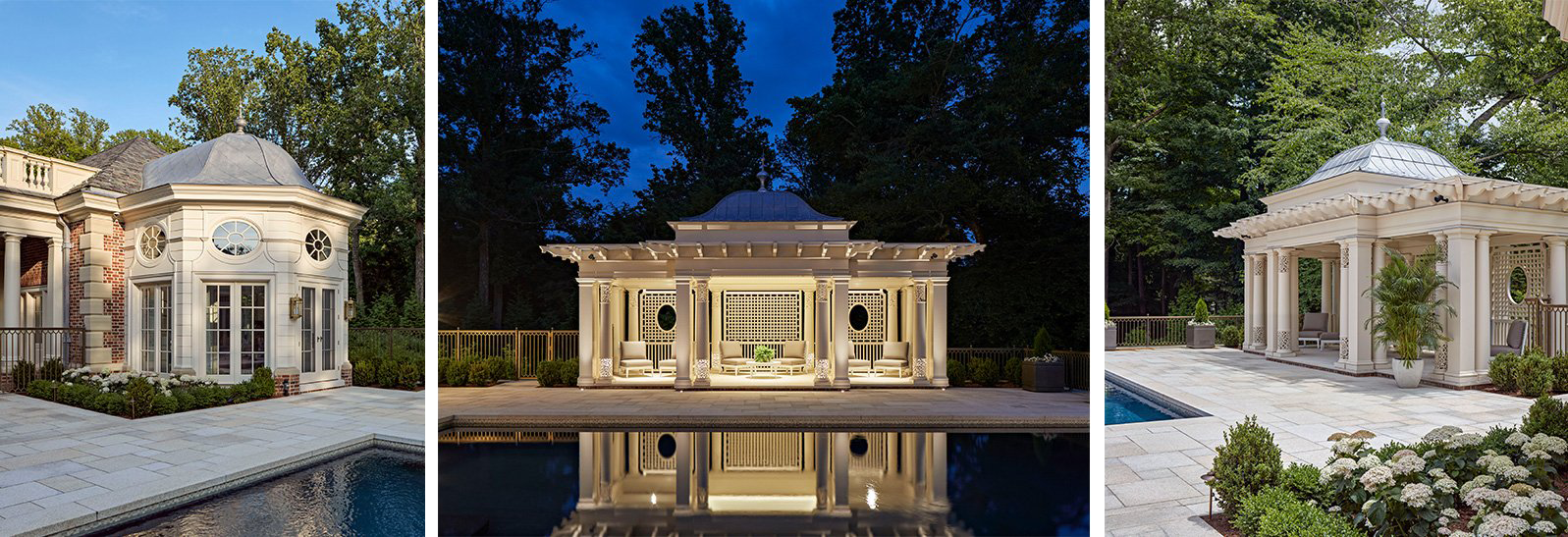
(Left) Pool house on a Lakeside Georgian estate | (Middle and Right) Pool Pergola on a Country Estate
Patios and Porches: Many Colonial homes incorporate expansive porches or patios that allow homeowners to enjoy the outdoors in style and comfort. These spaces can be customized with features such as outdoor kitchens, entertainment areas and fire pits, blending your home’s exterior with the natural surroundings.
Landscaping: The landscaping surrounding your colonial home can be customized to enhance its aesthetic appeal. Whether you prefer a classic English garden, a more formal front yard, or a natural, rustic landscape, the outdoor space can be designed to complement your home’s traditional or modern colonial style.
- Why Choose Charles Hilton Architects for Your Colonial Home Design or Renovation? -
When it comes to designing or renovating a colonial home, partnering with a skilled and experienced architectural firm like Charles Hilton Architects can make all the difference. With over 35 years of expertise designing colonial homes, Charles Hilton Architects brings both deep knowledge of Colonial architectural traditions and the experience of integrating modern comforts and amenities into each project. When working with Charles Hilton Architects you get:
1. Expertise in Colonial Architecture
Charles Hilton Architects specializes in colonial homes, making us experts in understanding the historical, aesthetic, and functional elements that define this classic style. Whether you are designing a new colonial home or renovating an existing one, we can provide insight into maintaining the integrity of colonial architecture while seamlessly integrating modern touches. Our team has an intimate understanding of classical proportions, appropriate materials, and layouts that define colonial homes, ensuring that your home will reflect the style’s timeless elegance.
2. Personalized Approach to Design
No cookie-cutter approaches here. At Charles Hilton Architects, each project is designed for your specific needs, tastes, and lifestyle. Our team works closely with you to develop a design that aligns with your vision, while also incorporating elements of colonial architecture that enhance both form and function. Charles Hilton Architects takes pride in creating bespoke homes that reflect the uniqueness of every client.
3. Sensitive Renovations with Seamless Integration of Modern Comforts


This house involved major renovations and additions that transformed an austere 1960’s spec house into a classic Colonial Revival home.
At Charles Hilton Architects, we specialize in renovating colonial homes with a deep respect for their historical integrity while integrating modern conveniences for today’s lifestyle. Our team carefully preserves key architectural elements such as brick and stone veneers, interior and exterior details, and original millwork, while upgrading essential mechanical systems and spaces like kitchens, bathrooms, and living areas. We also blend modern features, such as open-concept layouts, large windows for natural light, and contemporary technologies, ensuring your home maintains its historical charm while offering the comfort and functionality needed for modern living.
4. New Homes that Respect History
We leverage the extensive knowledge and experience gained by renovating many fine historic homes when designing our new classic colonial homes. Our new colonial homes have very few limitations of renovations and we can incorporate almost any fine traditional detail our clients desire.
5. Attention to Detail and Craftsmanship
Charles Hilton Architects is known for our impeccable attention to detail. Every aspect of your colonial home—whether it is the detailing of interior and exterior features, or the use of quality materials—will be meticulously planned to ensure both aesthetic appeal and long-term durability. Our focus on craftsmanship means that each detail of your home is executed with care, from the architectural trim to the finest finishes, creating a space that feels both timeless and sophisticated.
- About the Author and Charles Hilton Architects -
If you’d like to learn more about the author, Charles Hilton, and his firm, Charles Hilton Architects visit the link here! For client and professional testimonials of Charles Hilton Architects, click here.
If you’d like to learn more about the author, Charles Hilton, and his firm, Charles Hilton Architects visit the link here! For client and professional testimonials of Charles Hilton Architects, click here.

Author and CHA founder Charles Hilton
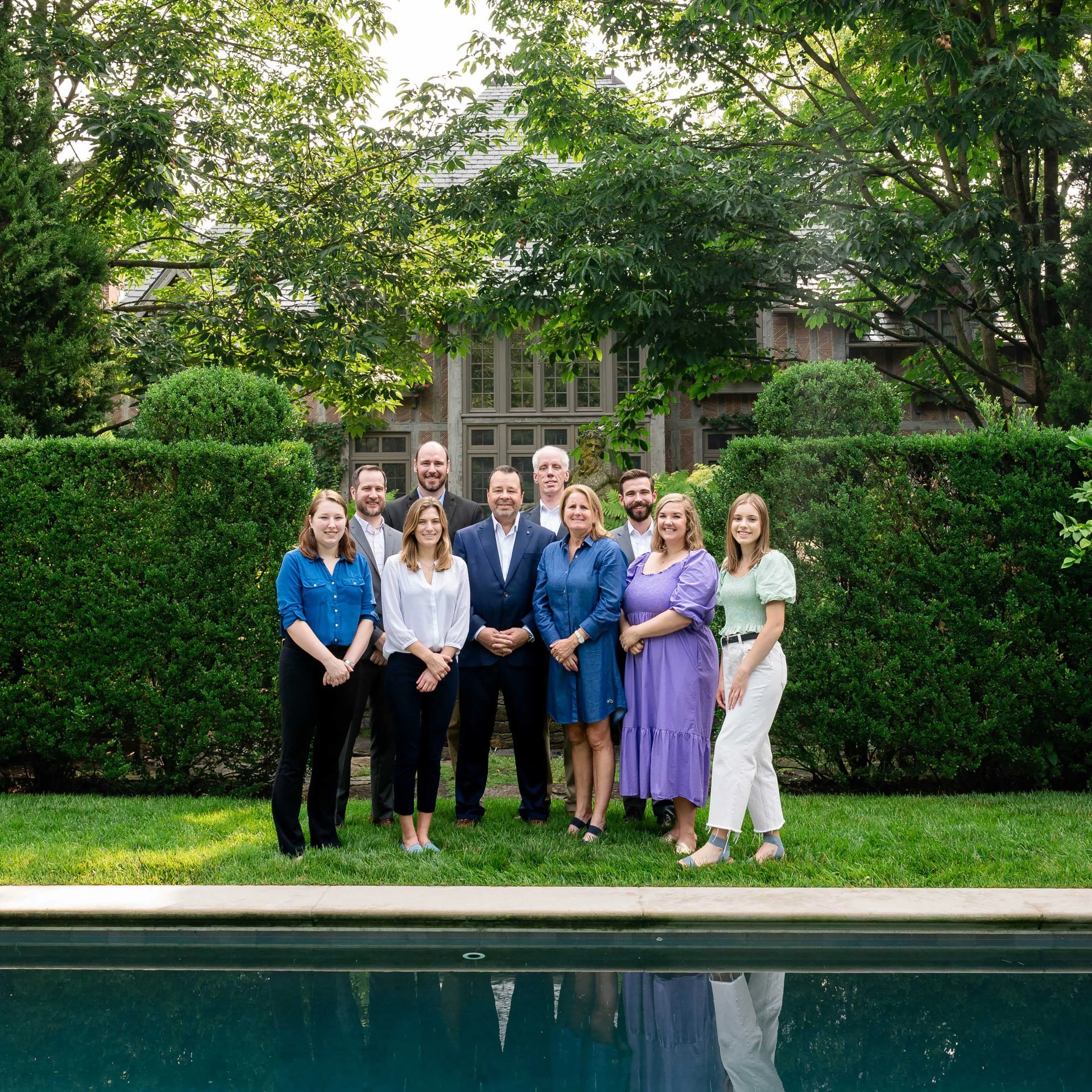
CHA team members in the gardens of the firm’s Sleepy Cat Farm project.